
ISFAHAN, IRAN — The United States military deployed massive 2,000-pound “bunker buster” bombs on Monday, striking a major ammunition depot in the Iranian city of Isfahan. The escalation comes as President Trump warned that the U.S. would “obliterate” Iran’s energy infrastructure and oil wells if the critical Strait of Hormuz is not reopened. Each of the facts reported below has been verified across multiple reputable outlets, including Democracy Now!, The New York Times, Economic Times, NDTV, Times of India, and TMZ.
- President Trump shared a 31-second video of the massive explosions on Truth Social, confirming the use of penetrator munitions against the Isfahan facility.
- The White House has threatened to strike Iran’s desalination plants and energy infrastructure if the naval blockade of the Strait of Hormuz continues.
- Iranian state media reports that U.S. airstrikes have hit 20 universities and dormitories across the country, leading to vows of retaliation against American university outposts in the region.
- The International Monetary Fund (IMF) warned that the conflict is driving global gas prices higher—surpassing $4 a gallon in the U.S.—and slowing worldwide economic growth.
- Human rights monitors estimate nearly 1,500 Iranian civilians have been killed in the conflict, including victims of the first combat use of the prototype Precision Strike Missile.
Regional Escalation and Educational Impact
The strike on Isfahan, a city central to Iran’s military and nuclear research, marks one of the most significant conventional attacks of the current conflict. While the Pentagon identified the target as an ammunition depot, regional analysts suggest the proximity to uranium storage sites signifies a broader strategic message regarding Iran’s nuclear capabilities.
The conflict has increasingly expanded into civilian and educational sectors. Following the strikes on Iranian universities, NYU announced the closure of its Abu Dhabi campus after it was identified as a potential target by Iranian leadership. Educational institutions across the region are on high alert as both sides broaden their definition of “legitimate targets.”
Economic and Humanitarian Consequences
Beyond the immediate military engagement, the humanitarian toll continues to rise. Reports indicate that at least 217 children are among the civilian casualties. Meanwhile, the economic fallout is being felt globally. White House Press Secretary Karoline Leavitt suggested the administration might request that Arab nations, such as Kuwait and Saudi Arabia, help finance the war effort, echoing the financial arrangements of the 1991 Persian Gulf War.
Image Attribution ▾
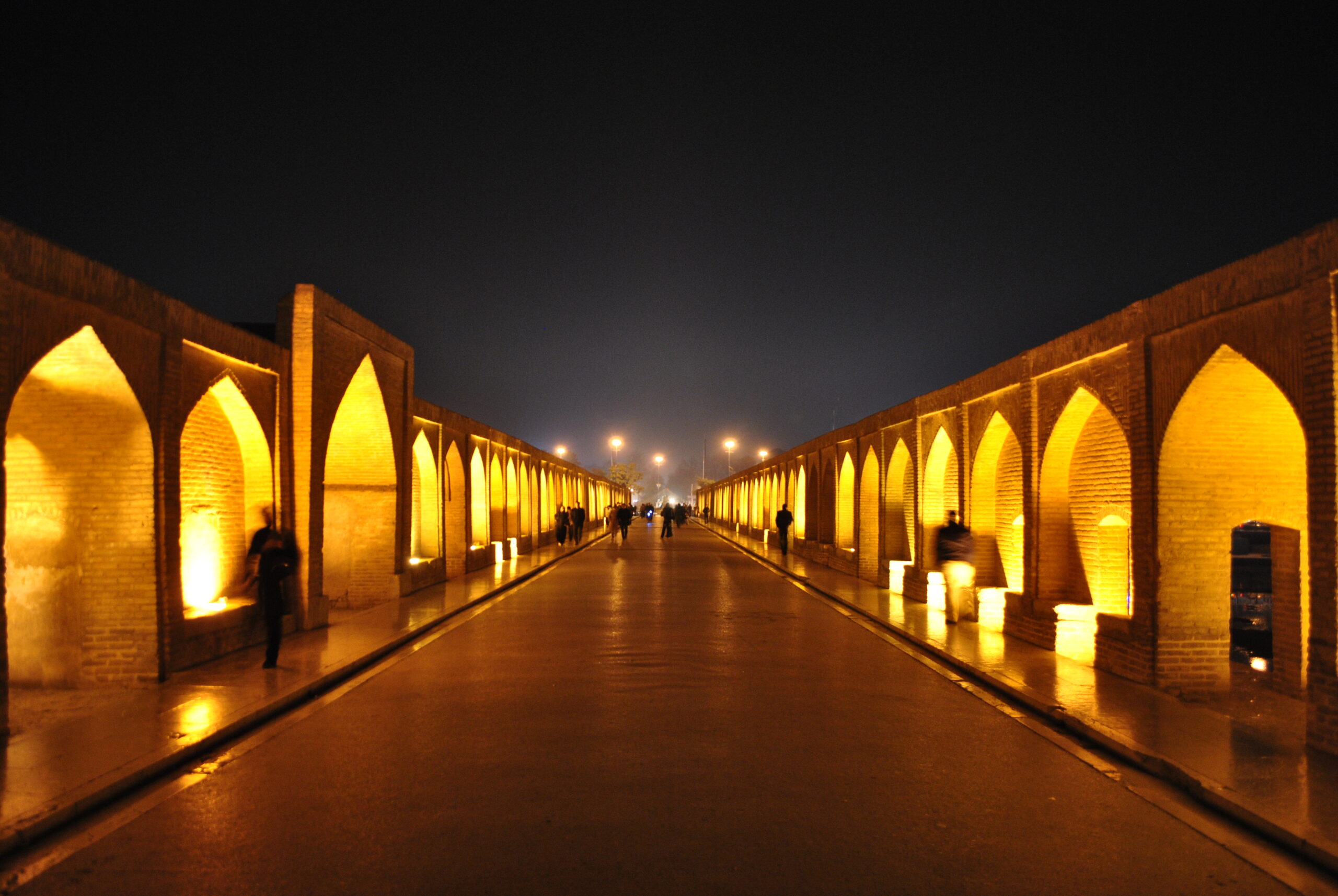
Historical Khaju Bridge in Isfahan, Iran. Photo by Zenith210 / Wikimedia Commons (CC BY-SA 3.0).
How we report: We select the day’s most important stories, confirm facts across multiple reputable sources, and avoid anonymous sourcing. Our goal is clear, balanced coverage you can trust—because transparency and verification matter for informed readers.