
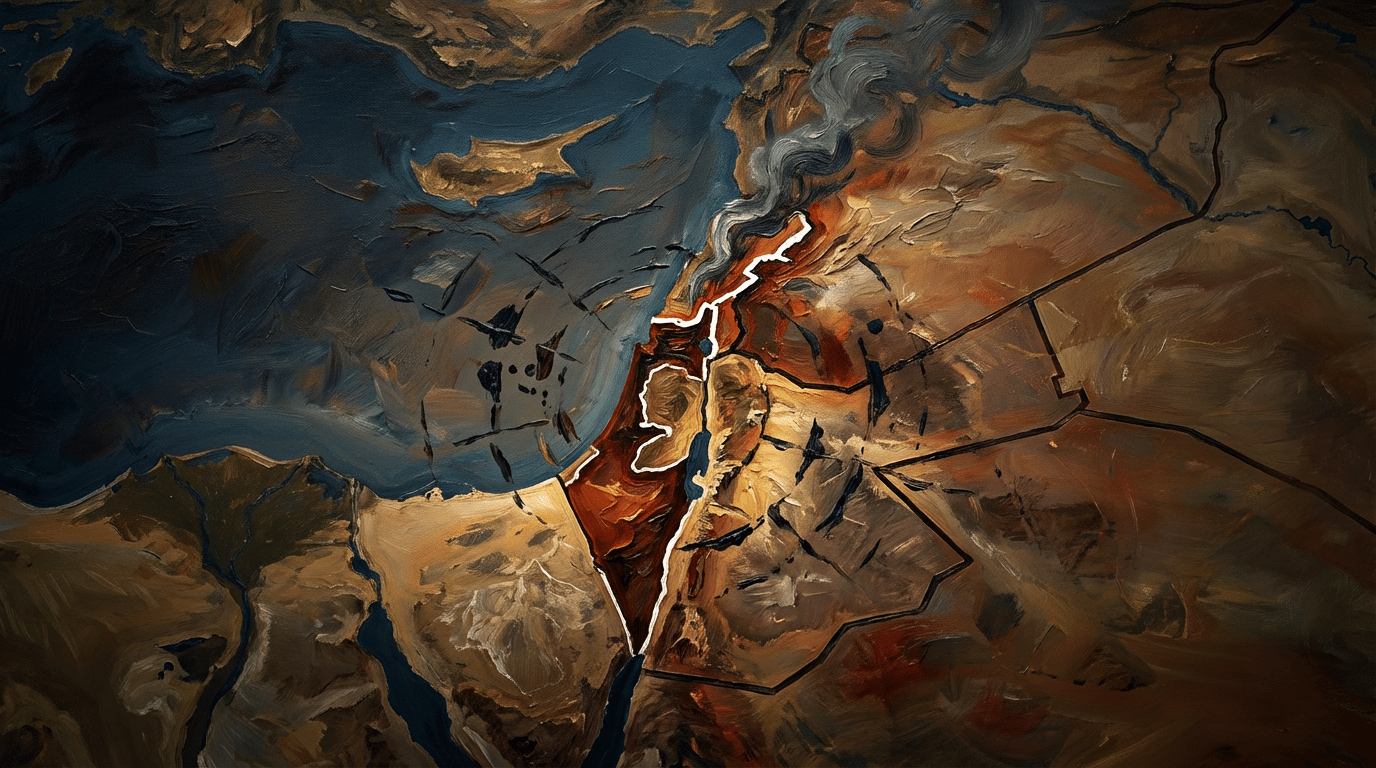
BEIRUT, LEBANON — The fragile ceasefire between Israel and Hezbollah is under severe strain following renewed hostilities, with both sides exchanging fire and raising fears of a broader conflict in the Middle East. Each of the bullet points immediately below have been confirmed by at least four of the six respected sources we curated on this story: reuters.com, apnews.com, bbc.com, theguardian.com, aljazeera.com, nytimes.com.
- A deadly Hezbollah drone attack killed an IDF soldier and injured several others, prompting Israeli retaliatory strikes across southern Lebanon and the Bekaa Valley.
- The U.S.-mediated ceasefire, which began on April 16 and was extended for three weeks, has effectively collapsed due to mutual accusations of violations and intensified military actions.
- Israeli Prime Minister Benjamin Netanyahu warned of a “devastating escalation” and an objective to “eradicate Hezbollah,” while Hezbollah declared the ceasefire “meaningless” amid ongoing Israeli “hostile acts.”
- Lebanese President Joseph Aoun has defended direct negotiations with Israel, contrasting with Hezbollah’s fierce opposition to such talks, which it views as a “humiliating and unnecessary concession.”
- The renewed conflict has led to a significant humanitarian crisis, with thousands of casualties and over 1.6 million people displaced in Lebanon since March 2, 2026.
Regional Instability and Diplomatic Challenges
The latest escalation highlights the deep-seated instability in the Middle East, with the conflict threatening to draw in other regional and international actors. Diplomatic efforts to de-escalate the situation face significant challenges, as both sides appear entrenched in their positions.
The involvement of various external players, including the United States and Iran, further complicates any potential resolution, with proxy conflicts contributing to the ongoing cycle of violence and retaliation.
The humanitarian toll of the conflict continues to mount, with international organizations struggling to provide aid and support to the displaced populations. The long-term consequences for Lebanon, including its political stability and economic recovery, remain a grave concern.
How we report:: We select the day’s most important stories, confirm facts across multiple reputable sources, and avoid anonymous sourcing. Our goal is clear, balanced coverage you can trust—because transparency and verification matter for informed readers.
Image Attribution
Attribution: AI-generated image (Hedra.com for EOBS.biz)