
WASHINGTON — House Republicans on Friday rejected a Senate-passed compromise aimed at ending the partial Department of Homeland Security shutdown, prolonging an impasse that has fueled airport security delays nationwide. Speaker Mike Johnson said the House will instead pursue a short-term, 60-day funding bill as negotiations continue over immigration enforcement and broader DHS funding. Coverage was reported by Reuters, The Associated Press, NBC News, CBS News, PBS NewsHour, and USA Today.
The key facts below were confirmed across multiple independent reports.
- House Republicans rejected the Senate compromise and moved toward a 60-day stopgap bill to fund DHS
- The Senate-passed measure would fund most of DHS but excludes Immigration and Customs Enforcement (ICE) and key border enforcement components
- The shutdown has driven major airport disruptions as TSA officers worked without pay
- President Donald Trump declared an emergency and directed DHS/TSA to begin paying TSA officers
- Senate Democrats said a House bill that funds ICE and border agencies without reforms would fail in the Senate
Additional Details Reported
Negotiations and next steps
House Republican leaders said they would not take up the Senate-backed deal and instead pushed for a 60-day stopgap measure, setting up another round of negotiations over border and security funding. The Senate package would have restored funding for DHS components that have been operating under shutdown conditions, but the House move left the timeline for reopening uncertain.
What Happens Next
The House is expected to move first on its short-term funding approach, but any measure that differs from the Senate bill would require senators to return from recess or reconvene to act. With both parties dug in over immigration enforcement funding and guardrails, the path to a full DHS funding agreement remains uncertain.
Image Attribution ▾
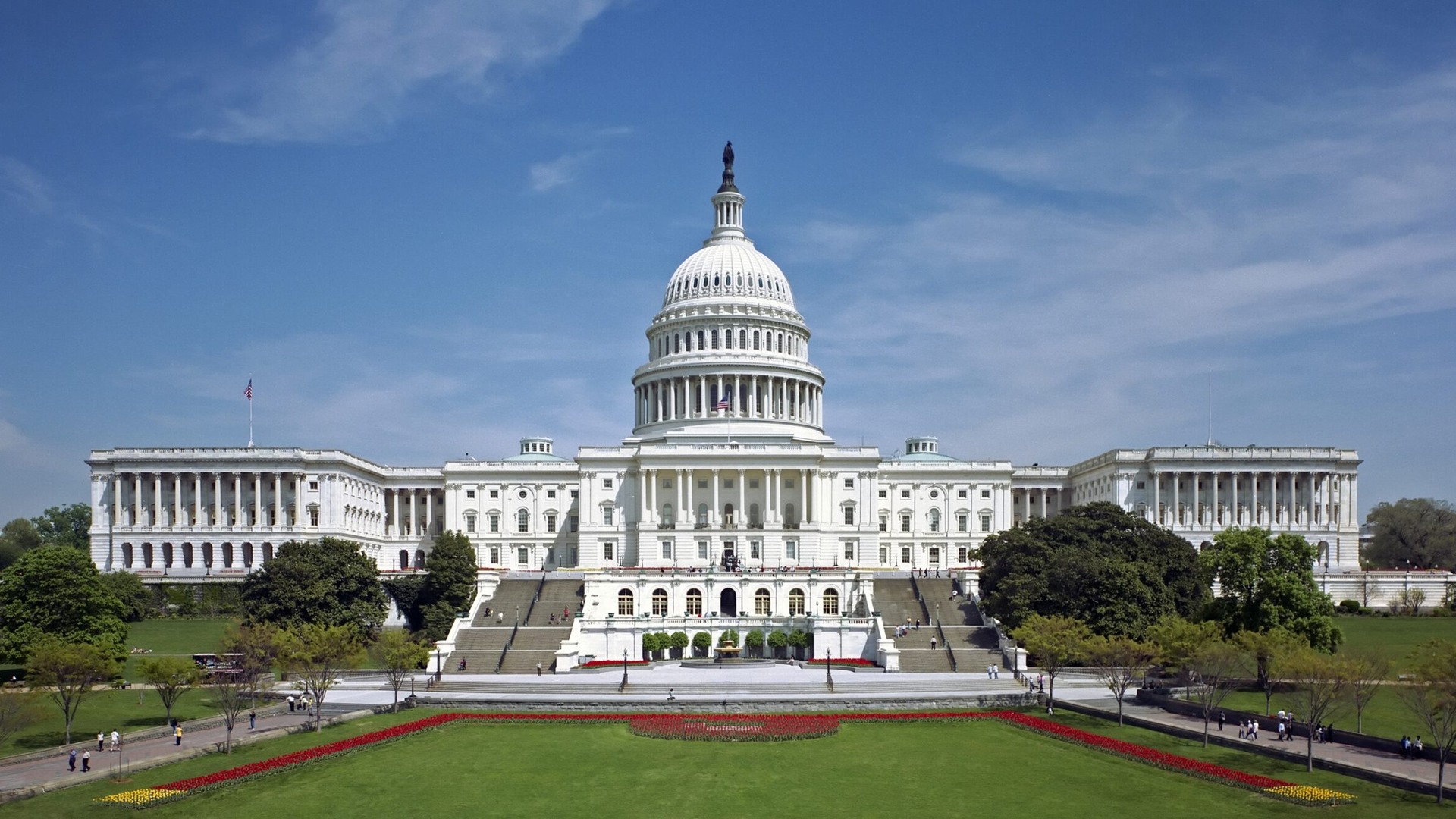
Description: U.S. Capitol, west front.
Credit: Wikimedia Commons (Public domain)
How we report: We select the day’s most important stories, confirm facts across multiple reputable sources, and avoid anonymous sourcing. Our goal is clear, balanced coverage you can trust—because transparency and verification matter for informed readers.