
HAVANA, Cuba — Cuba’s national power grid has collapsed multiple times in March 2026, plunging the island’s 10 million residents into darkness and prompting an international humanitarian response as the Caribbean nation grapples with its worst energy crisis in decades. CBS News, Al Jazeera, Los Angeles Times, United Nations News, China Daily, and Reuters have reported on the deteriorating situation and international response. Each of the bullet points immediately below have been confirmed by at least four of the six respected sources we curated on this story.
Core Facts
- Cuba suffered multiple nationwide power grid collapses in March 2026, with major blackouts occurring on March 16, March 21, and March 22, marking the most severe energy crisis the island has faced in recent years.
- A catastrophic blackout lasted more than 29 hours, leaving all 10 million Cuban residents without electricity and disrupting essential services including hospitals, water systems, and food distribution networks.
- The energy crisis stems from a combination of aging Soviet-era electrical infrastructure that has suffered from decades of underinvestment and chronic fuel shortages that have severely limited power generation capacity.
- Cuba relies on imported oil for over 90 percent of its electricity generation, making the island’s power grid extremely vulnerable to disruptions in international fuel shipments.
- A United States-imposed energy blockade, including tariff threats on countries providing oil to Cuba, has significantly choked off fuel supplies—particularly from traditional supplier Venezuela—exacerbating the island’s energy emergency.
Additional Details Reported
Cuba produces only about 40 percent of the fuel required to power its domestic economy, leaving the nation heavily dependent on foreign oil shipments that have been severely curtailed by the U.S. blockade implemented in January 2026. According to CBS News, President Donald Trump has suggested the possibility of “taking Cuba” amid the crisis, stating the country is “a very weakened nation right now.”
Daily blackouts lasting 12 to 16 hours had already become common across Cuba before the nationwide grid collapses occurred, with residents in Havana and other major cities experiencing regular disruptions to work, cooking, and daily life. Al Jazeera reported that the Antonio Guiteras power plant, a decades-old facility that underpins the national grid, had to be brought back online to restore power after the 29-hour outage.
In response to the deepening crisis, the international community has mobilized humanitarian assistance. Brazil announced it would ship 20,000 tons of food aid including rice, beans, and powdered milk to help alleviate food shortages on the island. China Daily reported that Spanish civil organizations have launched the “Madrid Rumbo a Cuba” initiative to send photovoltaic equipment to Cuban healthcare institutions.
China has dispatched 60,000 tons of rice aid as part of a broader assistance package that includes $80 million in financial support for electrical equipment and urgent infrastructure needs. Additionally, humanitarian organizations have delivered aid via solidarity caravans, bringing solar panels, medical supplies, food, and medicine to the island.
The United Nations has issued warnings about the humanitarian implications of the crisis. According to UN News, Resident Coordinator Francisco Pichón highlighted growing risks to healthcare services affecting five million Cubans with chronic illnesses, water distribution systems that serve nearly one million residents, and food security across the island. The UN official noted that “the risk to people’s lives is not rhetorical—those who suffer first and suffer most are ordinary people, especially the most vulnerable.”
Cuban President Miguel Díaz-Canel has defended the government’s handling of the crisis, blaming U.S. sanctions and stating that “any external aggressor will clash with an impregnable resistance.” The State Department has countered that the blackouts represent a “symptom of the failing regime’s incompetence.”
How we report: We select the day’s most important stories, confirm facts across multiple reputable sources, and avoid anonymous sourcing. Our goal is clear, balanced coverage you can trust—because transparency and verification matter for informed readers.
Image Attribution ▾
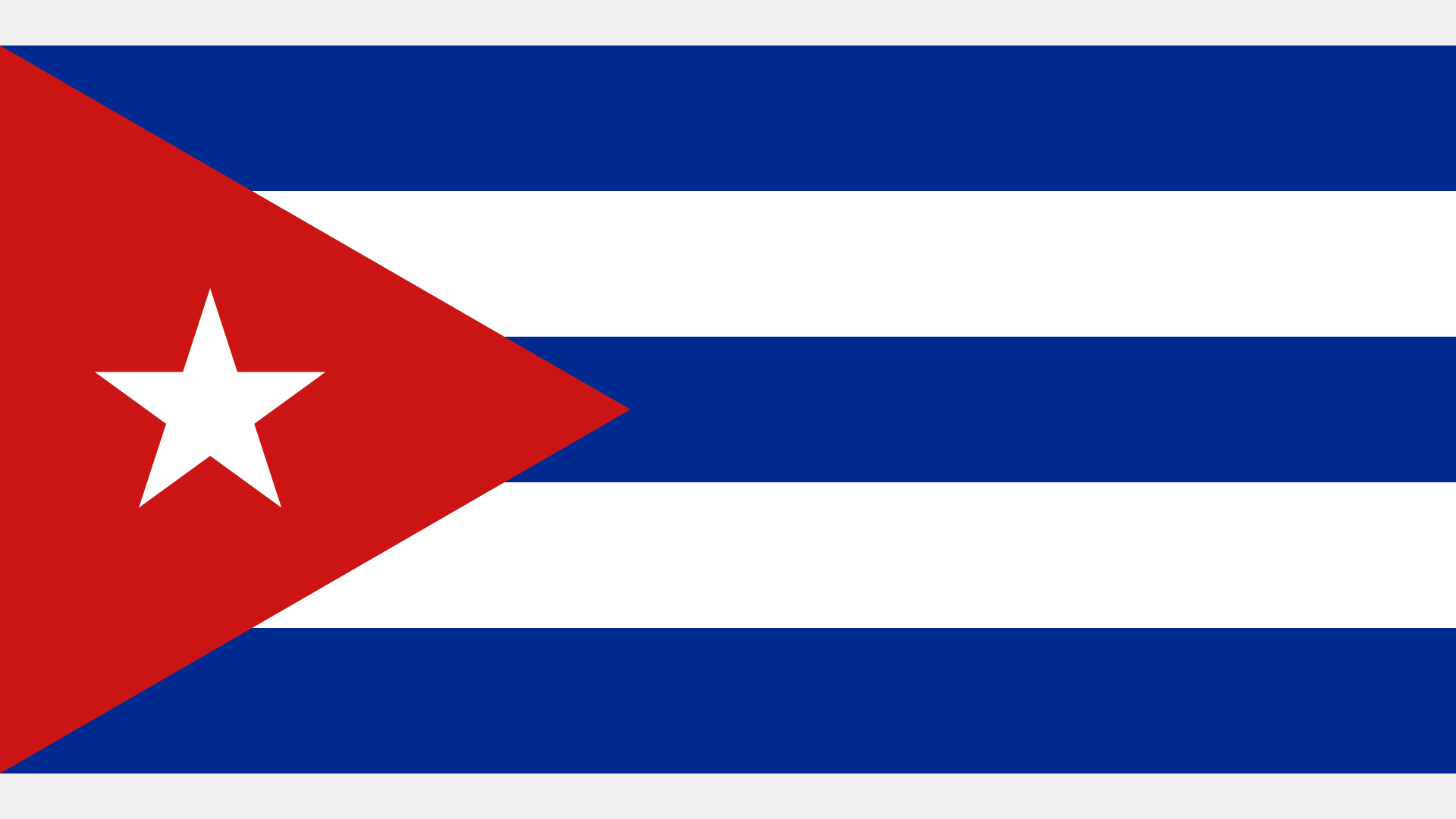
Description: Flag of Cuba – Five horizontal stripes of blue and white with a red triangle at the hoist containing a white five-pointed star
(Wikimedia Commons – Public Domain)