
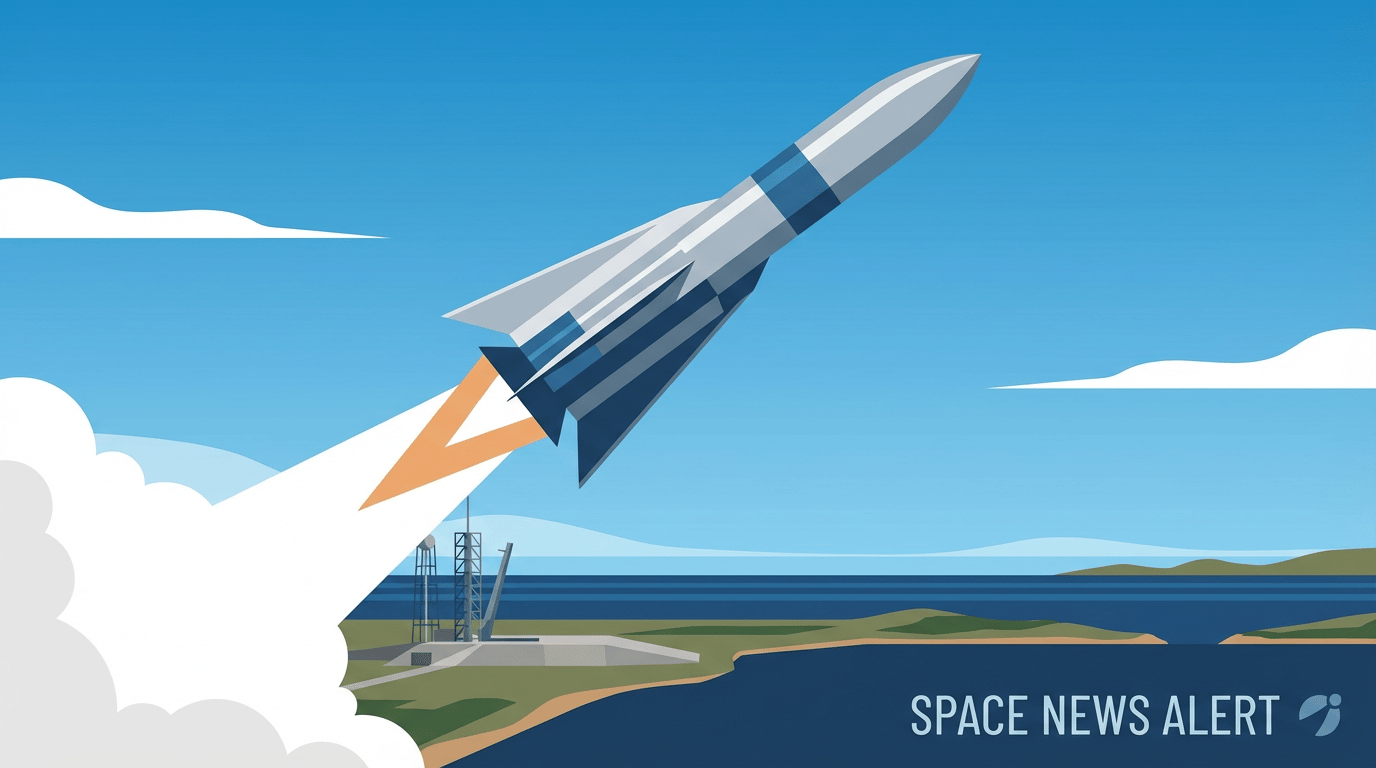
CAPE CANAVERAL, Fla. — The highly anticipated NASA Artemis II mission launched successfully from the Kennedy Space Center on Wednesday, carrying four astronauts on the first crewed test flight around the moon in more than 50 years. The milestone event, propelling the Space Launch System rocket and Orion spacecraft into orbit, marks a pivotal return to deep space exploration and establishes critical groundwork for future missions. Coverage of the launch was detailed by CNN, PBS, Fox News, Al Jazeera, The Times of Israel, and Sky at Night Magazine. Each of the bullet points immediately below have been confirmed by at least four of the six respected sources we curated on this story.
- The Artemis II mission launched successfully on April 1, 2026, departing from the Kennedy Space Center in Florida around 6:35 p.m. EDT.
- This represents the first time a crewed mission has traveled beyond low-Earth orbit since the Apollo program ended in 1972.
- The flight is powered by NASA’s Space Launch System rocket, carrying the Orion spacecraft with a crew of four.
- The crew consists of NASA astronauts Reid Wiseman, Victor Glover, and Christina Koch, along with Canadian Space Agency astronaut Jeremy Hansen.
- The mission is designed as an approximately 10-day flyby around the moon before the crew returns to Earth.
Additional Details Reported
Extensive preparations and media coverage preceded the launch, highlighting the widespread global interest in the return to lunar orbit. CNN anchor Boris Sanchez anchored live special coverage directly from the Kennedy Space Center as the countdown progressed. Observers have noted that the Artemis II mission serves as a crucial stepping stone toward the broader goal of future human lunar landings and, ultimately, ambitious crewed expeditions to Mars.
Image Attribution
Attribution: AI-generated image (Hedra.com for EOBS.biz)
How we report: We select the day’s most important stories, confirm facts across multiple reputable sources, and avoid anonymous sourcing. Our goal is clear, balanced coverage you can trust—because transparency and verification matter for informed readers.