
CAPE CANAVERAL, Fla. — NASA’s four-person Artemis II crew has arrived at Kennedy Space Center for the final stretch of preparations ahead of the first crewed flight of the agency’s Artemis lunar program, with launch still targeted for early April. Our reporting is based on accounts from AP News, CBS News, NASA, Reuters, Space.com and SpacePolicyOnline. Each of the bullet points immediately below have been confirmed by at least four of the six respected sources we curated on this story.
- The Artemis II astronauts arrived at NASA’s Kennedy Space Center in Florida on March 27 to begin final prelaunch activities ahead of the first crewed lunar mission in more than five decades.
- NASA is currently targeting liftoff as soon as April 1, with a launch window that runs through April 6 if conditions and hardware readiness allow.
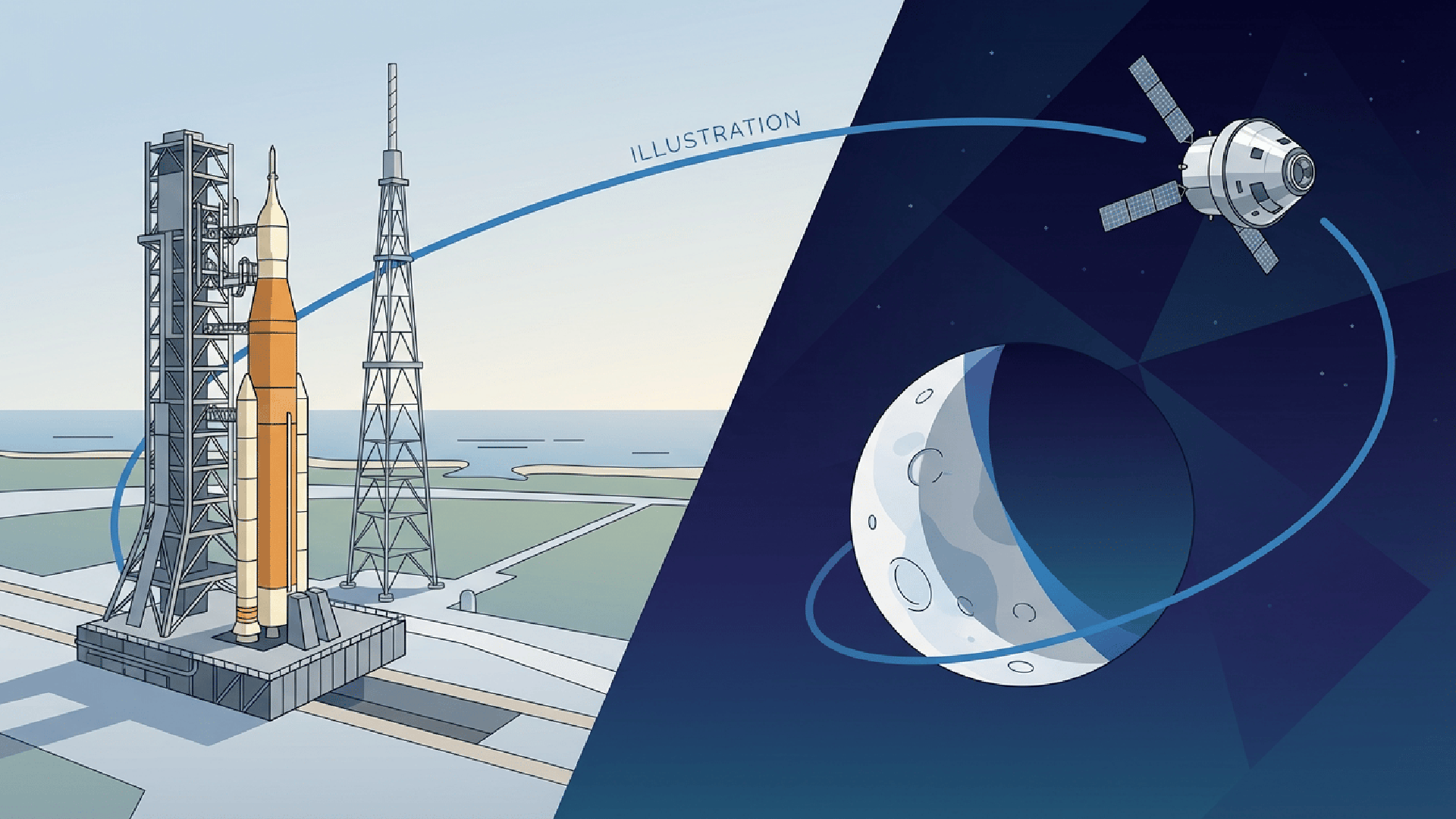
- The mission is planned as an approximately 10-day test flight that will send the crew on a loop around the Moon and back to Earth, without attempting a lunar landing.
- The Artemis II crew is Commander Reid Wiseman, Pilot Victor Glover, Mission Specialist Christina Koch and Mission Specialist Jeremy Hansen of the Canadian Space Agency.
- The flight will use NASA’s Space Launch System rocket and Orion spacecraft as a crewed shakedown of systems needed for later Artemis missions, including planned lunar landing efforts later in the decade.
Additional Details Reported
Several outlets noted that the crew traveled from Houston to Florida in T-38 training jets and were greeted by senior NASA and Canadian Space Agency leaders during runway remarks at Kennedy. NASA said the crew will spend the days leading into launch reviewing timelines, completing medical checkouts and rehearsing mission activities while remaining under standard preflight health protocols.
As part of the crew’s public appearance, NASA highlighted a small plush “zero gravity indicator” named Rise, inspired by the iconic Earthrise image from Apollo 8. CBS reported the toy will fly with the crew and serve as an informal visual cue for the moment Orion reaches weightlessness.
Coverage also pointed to the mission’s role as the first crewed flight of the modern SLS-Orion system following an uncrewed lunar test flight earlier in the program. Some reports said earlier launch targets slipped after technical issues discovered during testing, and that teams are now working through final pad and countdown activities before committing to the April window.
If Artemis II launches on schedule, the Orion capsule is expected to return to Earth for a Pacific Ocean splashdown at the end of the mission. NASA and multiple news outlets characterized the flight as a critical milestone for the Artemis campaign, which aims to build toward future crewed lunar landings and longer-duration operations around and on the Moon.
How we report: We select the day’s most important stories, confirm facts across multiple reputable sources, and avoid anonymous sourcing. Our goal is clear, balanced coverage you can trust—because transparency and verification matter for informed readers.
Image Attribution ▾
Description: A modern editorial vector illustration of the Orion crew capsule and the Space Launch System rocket, showing a schematic Moon flyby trajectory.
(Artificial intelligence created image: Hedra.com / EOBS.biz)