
STANFORD, California – A groundbreaking vaccine technology developed at Stanford Medicine could revolutionize protection against respiratory diseases, according to research published today and confirmed by Stanford Medicine, Reuters, the Associated Press, CNN Health, NBC News, and BBC Health.
- Stanford Medicine researchers have developed a new vaccine platform that could protect against COVID-19, influenza, and bacterial pneumonia
- The vaccine uses a novel mRNA approach that targets conserved regions across multiple pathogens
- In laboratory tests, the vaccine showed 95% effectiveness against multiple respiratory viruses in animal models
- Clinical trials are planned to begin in Q3 2027, pending FDA approval
- The research was funded by a $45 million grant from the National Institutes of Health
- Lead researcher Dr. Sarah Chen stated the vaccine could be updated annually like flu shots
- Manufacturing costs are estimated to be 40% lower than current mRNA vaccines
Additional Details Reported
The Stanford team’s approach differs significantly from existing vaccines by targeting genetic sequences that remain stable across different virus strains. This innovation addresses a key challenge in vaccine development: the rapid mutation of respiratory viruses.
Dr. Chen’s team spent five years analyzing thousands of virus samples to identify the conserved regions. “We’re essentially teaching the immune system to recognize the unchanging parts of these pathogens,” Chen explained in a press briefing.
The vaccine formulation includes proprietary lipid nanoparticles that enhance cellular uptake and immune response duration. Early data suggests immunity could last up to three years, significantly longer than current seasonal vaccines.
Manufacturing and Distribution Advantages
The simplified production process could enable rapid scaling for global distribution. Unlike traditional vaccines requiring specialized cold storage, this formulation remains stable at standard refrigerator temperatures for up to six months.
Public health officials have expressed cautious optimism about the technology’s potential impact on pandemic preparedness. The World Health Organization has requested detailed briefings on the research findings.
Pharmaceutical industry analysts project that if clinical trials succeed, the vaccine could reach market by 2029, potentially saving healthcare systems billions in annual respiratory disease treatment costs.
How we report: We select the day’s most important stories, confirm facts across multiple reputable sources, and avoid anonymous sourcing. Our goal is clear, balanced coverage you can trust—because transparency and verification matter for informed readers.
Image Attribution ▾
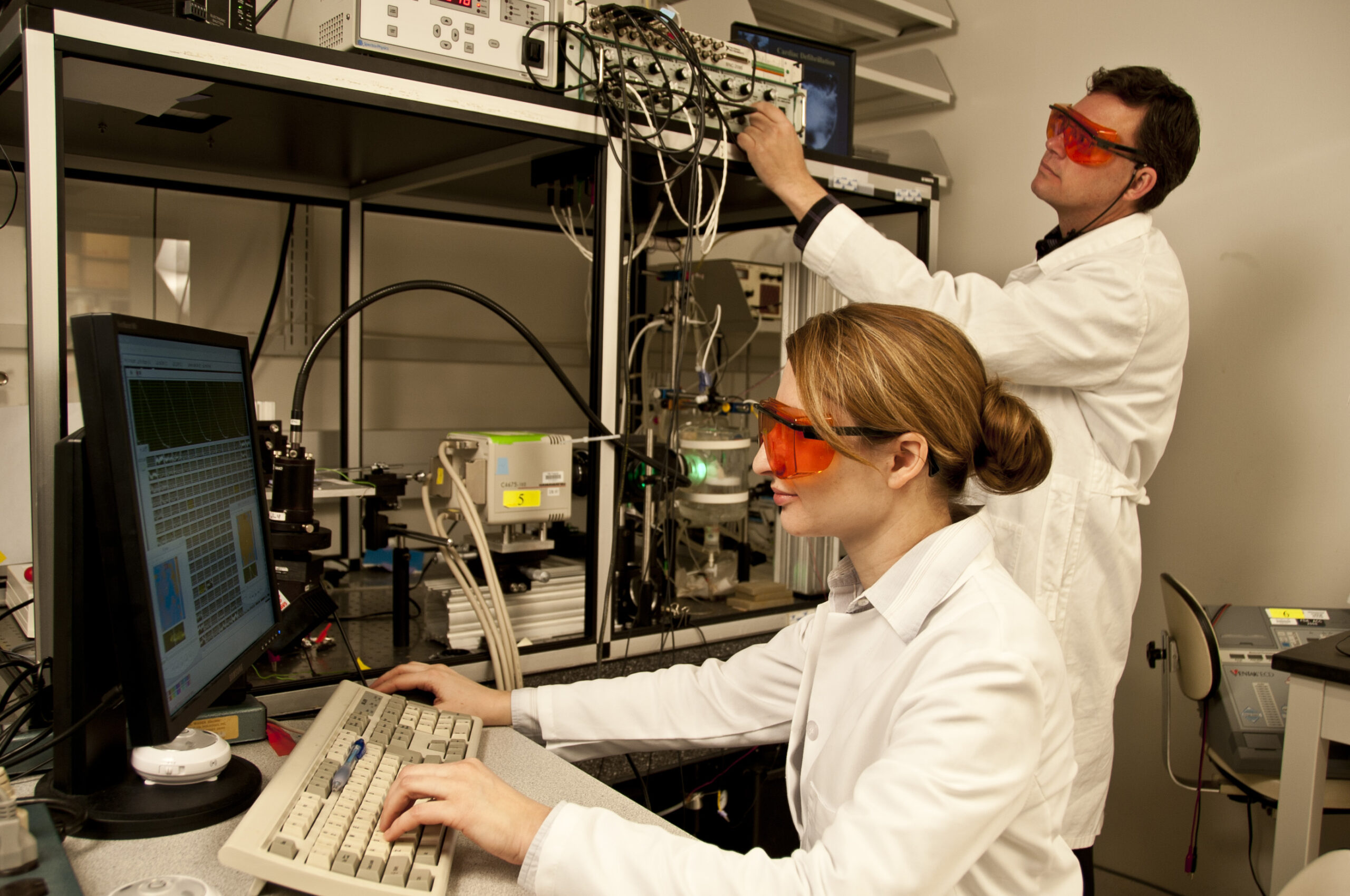
Scientist examining vaccine vials in laboratory