
GENEVA, Feb. 22, 2026 — The World Health Organization said January saw 16,912 new cholera and acute watery diarrhea cases across 19 countries and territories, a 6% drop from December, but global cholera deaths rose to 182, up 20%, according to its latest update.
WHO said the African Region reported the most cases, followed by the Eastern Mediterranean and South‑East Asia regions, and no outbreaks were reported in the Americas or Western Pacific during the period, the same update noted.
Deaths climb despite fewer cases
In December 2025, WHO reported 17,327 new cases across 16 countries and 137 deaths, a 25% decline in cases and a 16% drop in deaths from November, its January update said.
That report also said 2025 totaled 614,828 cases and 7,598 deaths across 33 countries, and the Global Task Force for Cholera Control says outbreaks have become more deadly with higher case‑fatality rates, according to its situation overview.
Vaccination supply improves
WHO, Gavi and UNICEF said this month that preventive cholera vaccination campaigns are resuming after global oral‑vaccine supplies reached a critical milestone, with an initial allocation of 20 million doses for preventive campaigns, the agencies announced.
The announcement said annual vaccine supply has nearly doubled to about 70 million doses in 2025 from 35 million in 2022, allowing countries such as Mozambique, the DRC and Bangladesh to plan preventive campaigns while outbreak responses still rely on a one‑dose strategy, according to WHO and partners.
Outbreaks persist across regions
The European Centre for Disease Prevention and Control’s worldwide overview lists ongoing cholera reports in countries including Afghanistan, Pakistan and Yemen, underscoring sustained transmission in parts of Asia, the ECDC reported.
The ECDC also cited new case reports in several African countries such as Angola and Burundi, reflecting the continued geographic spread WHO highlighted in its January update, the ECDC overview said.
Public health partners say long‑term control still hinges on safe water, sanitation and rapid treatment, a point the GTFCC emphasizes as governments weigh prevention investments alongside emergency responses, the task force noted.
How we report: We select the day’s most important stories, confirm facts across multiple reputable sources, and avoid anonymous sourcing. Our goal is clear, balanced coverage you can trust—because transparency and verification matter for informed readers.
Image Attribution ▾
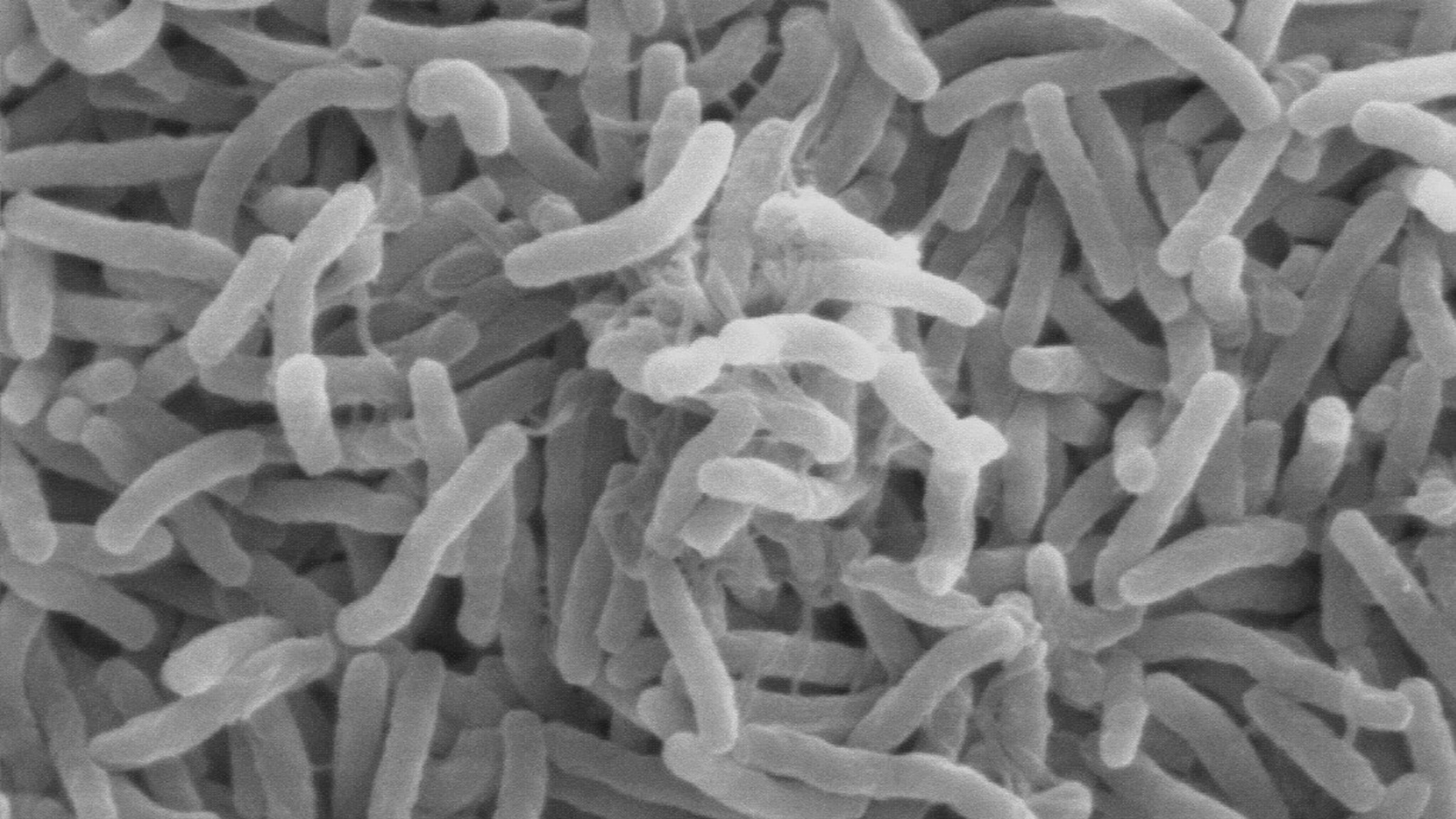
Image: “Cholera bacteria SEM” by Ronald Taylor, Tom Kirn, Louisa Howard (Dartmouth REMF), Public Domain. Source: https://commons.wikimedia.org/wiki/File:Cholera_bacteria_SEM.jpg (original: http://remf.dartmouth.edu/images/bacteriaSEM/source/1.html; public-domain notice: http://remf.dartmouth.edu/imagesindex.html). Modifications: cropped and resized to 1920×1080 (16:9).