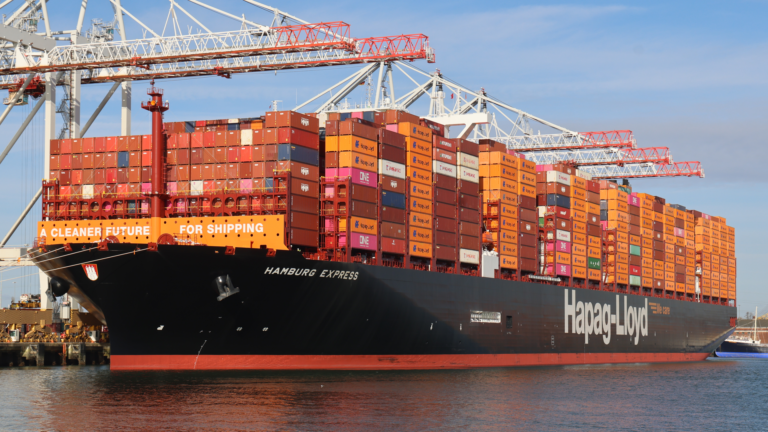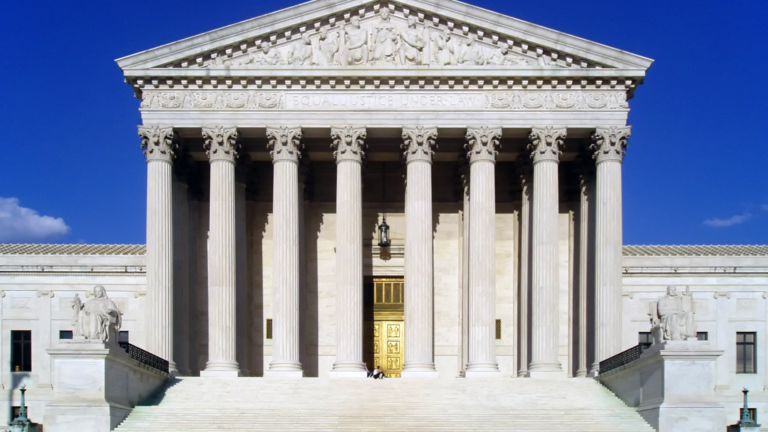
WASHINGTON, Feb. 24, 2026 — The United States imposed a temporary 10% import surcharge under Section 122 effective Tuesday, following the Supreme Court’s move to invalidate earlier IEEPA tariffs, Reuters reported, and the administration outlined the policy in a White House fact sheet.
\n
The proclamation applies broadly to imported goods but includes exemptions for categories such as energy products, certain agricultural items, pharmaceuticals, vehicles and aerospace parts, as well as goods already covered by Section 232 and USMCA-qualifying products, the White House said, with compliance details summarized in CBP guidance cited by GHY.
\n
Exemptions and compliance details
\n
CBP guidance says the 10% duty took effect at 12:01 a.m. ET on Feb. 24 and includes an in-transit exemption for goods loaded before that time and entered by Feb. 28, while the suspension of de minimis duty-free treatment continues, GHY reported, echoing the White House’s de minimis order.
\n
The Section 122 surcharge is framed as a 150-day, temporary measure designed to address balance-of-payments issues, with the start date and duration spelled out in the White House proclamation summary, and mirrored in Avalara’s tariff timeline.
\n
Policy backdrop and economic stakes
\n
The policy shift comes after a 6–3 Supreme Court ruling that IEEPA does not authorize tariffs, a decision cited by both Avalara and the Tax Foundation, which describe the move to Section 122 as the administration’s legal fallback.
\n
In justifying the surcharge, the administration pointed to a large U.S. goods trade deficit and broader balance-of-payments pressures, the White House said, a rationale also referenced in Tax Foundation analysis.
\n
Market and trade reactions
\n
The 10% rate also adds to uncertainty after President Trump floated a 15% figure, with CBP guidance and the Reuters report confirming the lower rate for now while noting no formal explanation for the change, a point flagged in GHY’s update.
\n
For businesses, compliance teams are being urged to monitor CBP updates, confirm tariff classifications, and track exemptions as the surcharge rolls out, GHY advised, while Avalara noted that rapid policy shifts mean companies should be ready to adjust import planning quickly.
\n
\n
How we report: We select the day’s most important stories, confirm facts across multiple reputable sources, and avoid anonymous sourcing. Our goal is clear, balanced coverage you can trust—because transparency and verification matter for informed readers.
Image Attribution ▾
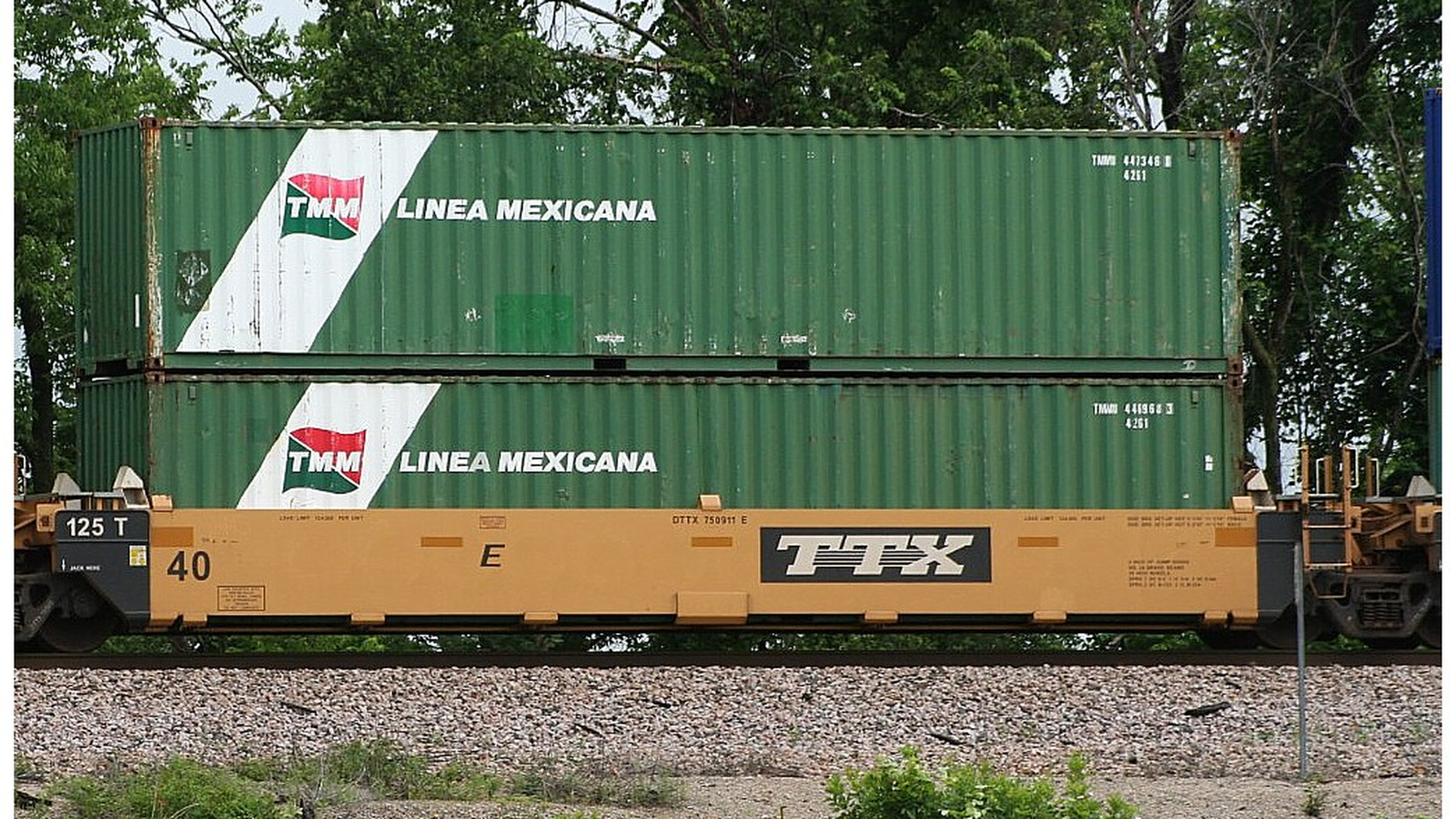
Image: “Intermodal shipping containers on a railway flat car” by terry cantrell (Flickr), CC BY-SA 2.0, via Wikimedia Commons. Source: https://commons.wikimedia.org/wiki/File:Intermodal_shipping_containers_on_a_railway_flat_car.jpg (original: https://www.flickr.com/photos/13675337@N03/2219283610/). License: https://creativecommons.org/licenses/by-sa/2.0/. Modifications: cropped to 16:9 and resized to 1920×1080.