
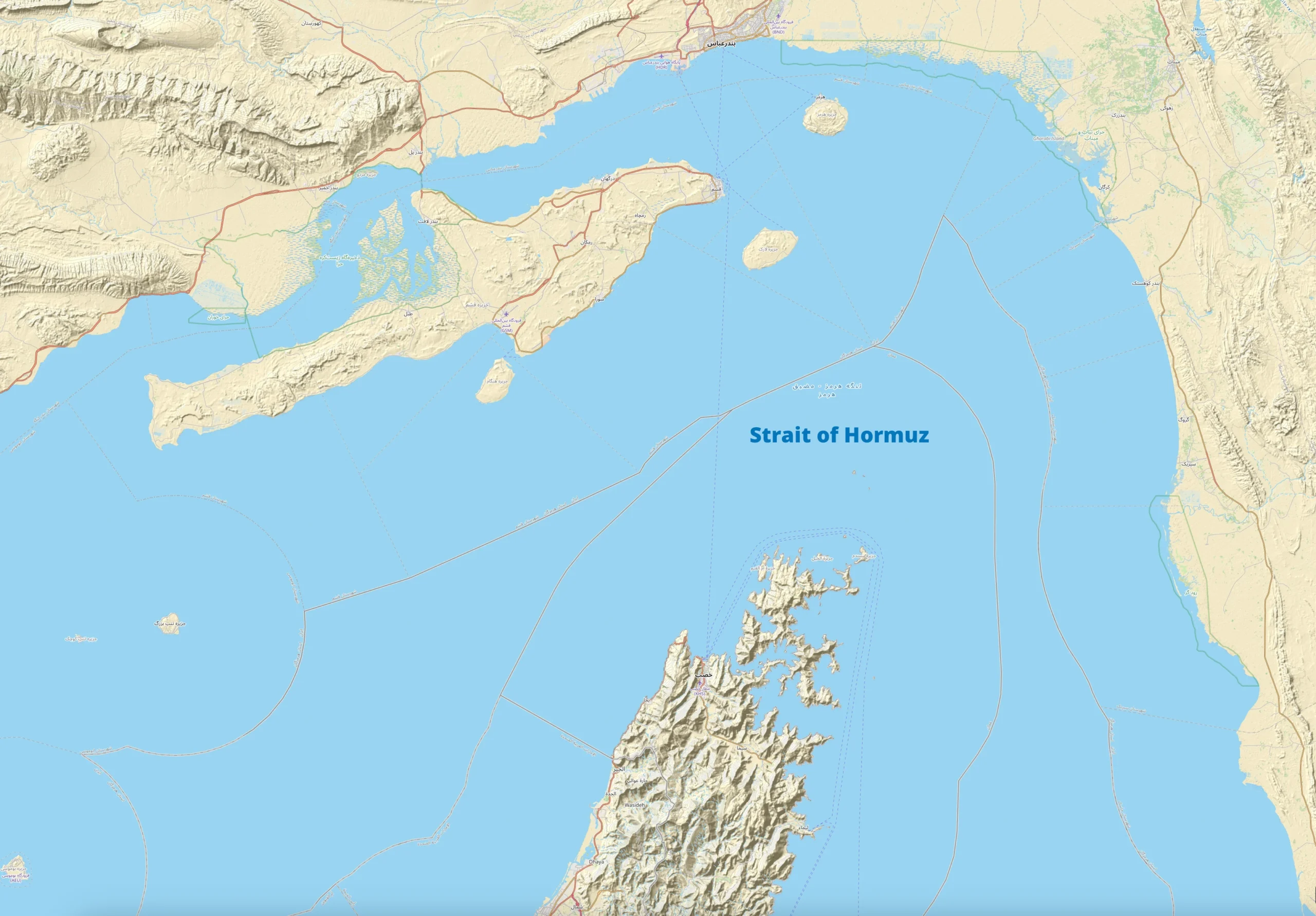
TEHRAN, Iran — Israel expanded airstrikes on Iran on Friday as President Donald Trump extended the deadline for Tehran to reopen the Strait of Hormuz to international shipping, a dual-track escalation that kept energy markets on edge and intensified diplomatic pressure for a ceasefire, according to reporting from the Associated Press, The Guardian, Al Jazeera, CBS News, The Times of Israel, and The Hindu. Each of the bullet points immediately below have been confirmed by at least four of the six respected sources we curated on this story.
Core Facts
- Trump extended the deadline for Iran to reopen the Strait of Hormuz until April 6 and delayed threatened U.S. strikes on Iranian energy and power infrastructure, framing the move as a bid to create space for diplomacy.
- Israeli officials said the campaign inside Iran would escalate and broaden as long as Iranian missile fire continues, and Israel reported additional strikes in and around Tehran as well as other military targets.
- Iran continued launching missiles and drones at Israel and at regional targets in the Gulf, keeping air defenses and civil defense systems on heightened alert across multiple countries.
- Iran maintained a restrictive posture over the Strait of Hormuz, warning off or turning back certain vessels and signaling it would not return the waterway to normal operations under current conditions.
- Oil markets and global equities remained volatile as traders weighed the risk of prolonged disruption through Hormuz, a key chokepoint for global energy shipments.
Additional Details Reported
Several sources described intensified diplomatic activity aimed at ending the conflict, including efforts by regional intermediaries. The scale and timing of any talks remain contested, with U.S. officials emphasizing communications while Iranian officials publicly downplayed or rejected claims of meaningful negotiations.
Reporting also highlighted the humanitarian impact of strikes and counterstrikes, as well as the spillover risk across neighboring countries and critical infrastructure. In Tehran, some accounts described damage to civilian sites and the strain of ongoing alerts and disruptions.
For context on the shipping chokepoint and its market impact, the AP’s live coverage included a set of visuals tracking how traffic in the Strait of Hormuz has shifted during the conflict.
How we report: We select the day’s most important stories, confirm facts across multiple reputable sources, and avoid anonymous sourcing. Our goal is clear, balanced coverage you can trust—because transparency and verification matter for informed readers.
Image Attribution ▾
Description: Strait of Hormuz (OpenStreetMap)
Source: Wikimedia Commons (from OpenStreetMap), CC BY 4.0.