
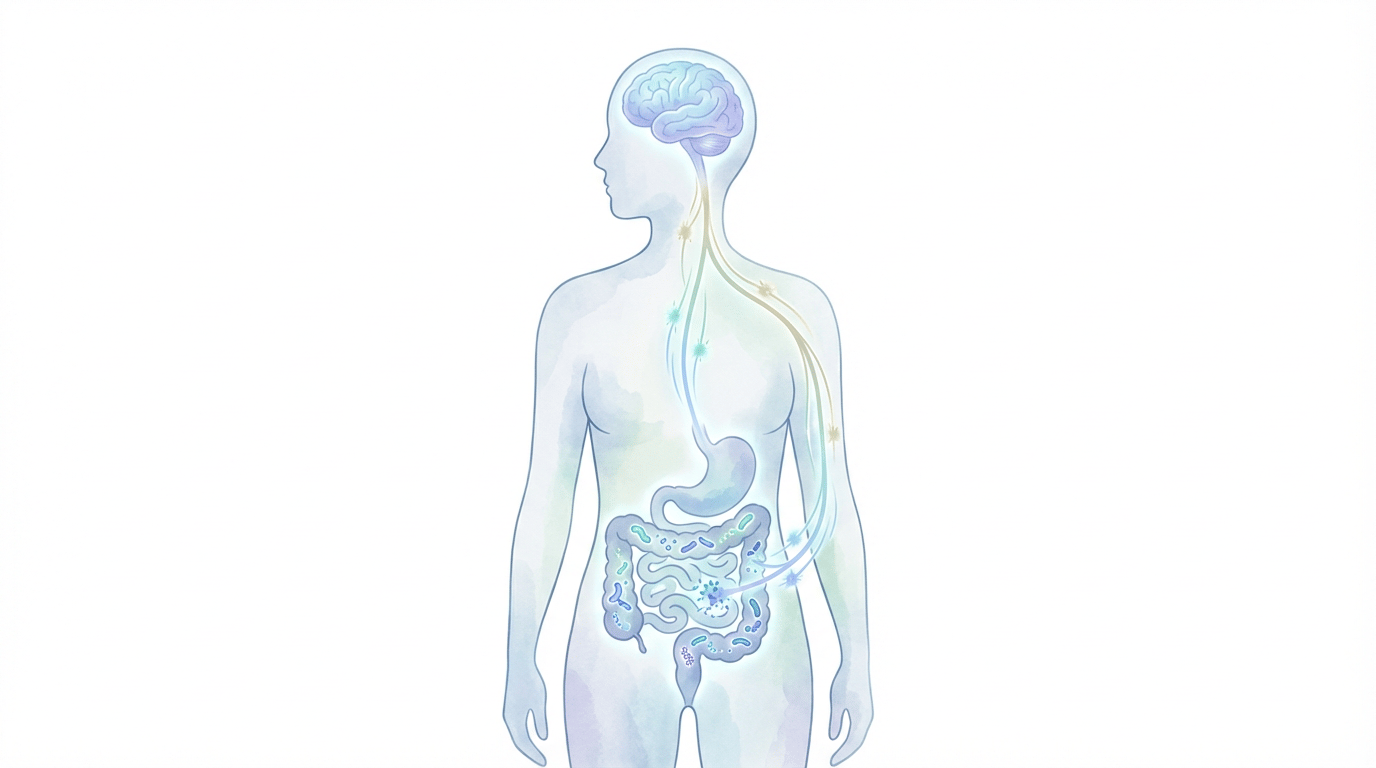
CHICAGO — A growing body of research has established a significant connection between gut bacteria and mental health, with scientists discovering that the trillions of microorganisms living in the digestive tract can influence mood, behavior, and cognitive function through the gut-brain axis. Studies from Healthline, the National Institutes of Health, ScienceDirect, Wiley Online Library, Frontiers in Psychiatry, and Harvard Health Publishing have all contributed to this emerging understanding of how intestinal microbiota affects psychological well-being. Each of the bullet points immediately below have been confirmed by at least four of the six respected sources we curated on this story.
- The gut-brain axis serves as a bidirectional communication network connecting the gastrointestinal tract and the central nervous system, allowing gut bacteria to influence brain function and behavior.
- Approximately 90% of the body’s serotonin, a neurotransmitter crucial for mood regulation, is produced in the gut by enterochromaffin cells, with gut microbes playing a direct role in this production.
- Gut bacteria produce gamma-aminobutyric acid (GABA), a neurotransmitter that helps control feelings of fear and anxiety, demonstrating a direct biochemical link between microbiota and emotional states.
- The vagus nerve serves as one of the primary physical connections between the gut and brain, transmitting signals in both directions and enabling gut microbes to influence neural activity.
- Short-chain fatty acids produced by gut bacteria during fiber digestion affect brain function in multiple ways, including appetite regulation and maintenance of the blood-brain barrier.
- An imbalance in gut microbiota, known as dysbiosis, has been associated with increased inflammation, which is linked to depression, anxiety, and other mental health disorders.
- Germ-free mice studies demonstrate that the absence of gut bacteria alters brain development, affecting neurogenesis, myelination, and synaptic plasticity in regions associated with psychiatric conditions.
- Lipopolysaccharide, an inflammatory toxin produced by certain bacteria, can trigger inflammation when it passes from the gut into the bloodstream, with elevated levels associated with severe depression and other brain disorders.
Additional Details Reported
Research into psychobiotics, a specialized category of probiotics that affect the brain, has shown promising results in improving mental health outcomes. These beneficial bacteria may offer a novel therapeutic approach for treating mood disorders by modulating the gut microbiome.
Dietary factors play a significant role in shaping gut microbiota composition. Foods rich in fiber, fruits, vegetables, and fermented products promote the growth of beneficial bacteria that contribute to both serotonin synthesis and overall mental well-being.
Clinical Applications and Future Directions
The emerging field of psychoneuroimmunology continues to explore the complex interactions between gut bacteria, the immune system, and mental health. Researchers are investigating targeted interventions that could restore healthy microbiome balance as a complementary treatment for depression and anxiety.
Fecal microbiota transplantation, while still experimental for psychiatric applications, represents a potential future therapy for severe mental health conditions resistant to conventional treatments. Early studies suggest that transferring microbiota from healthy individuals to recipients may improve mental health outcomes.
Understanding the Gut-Brain Connection
The relationship between gut health and mental well-being extends beyond simple correlation. Scientists have identified multiple communication pathways including the nervous system, endocrine system, and immune system that allow gut microbes to influence brain function.
Microglia, the primary immune cells in the brain, develop differently in the absence of gut bacteria, suggesting that microbiota play a crucial role in establishing the brain’s immune defenses during early development.
Image Attribution
Artificial Intelligence generated image / EOBS.biz
How we report: We select the day’s most important stories, confirm facts across multiple reputable sources, and avoid anonymous sourcing. Our goal is clear, balanced coverage you can trust—because transparency and verification matter for informed readers.