
BOSTON — A breakthrough in cancer immunotherapy has been confirmed by ScienceDaily, Nature, Futuro Prossimo and Fred Hutchinson Cancer Center. The following points have been independently verified across these respected sources:
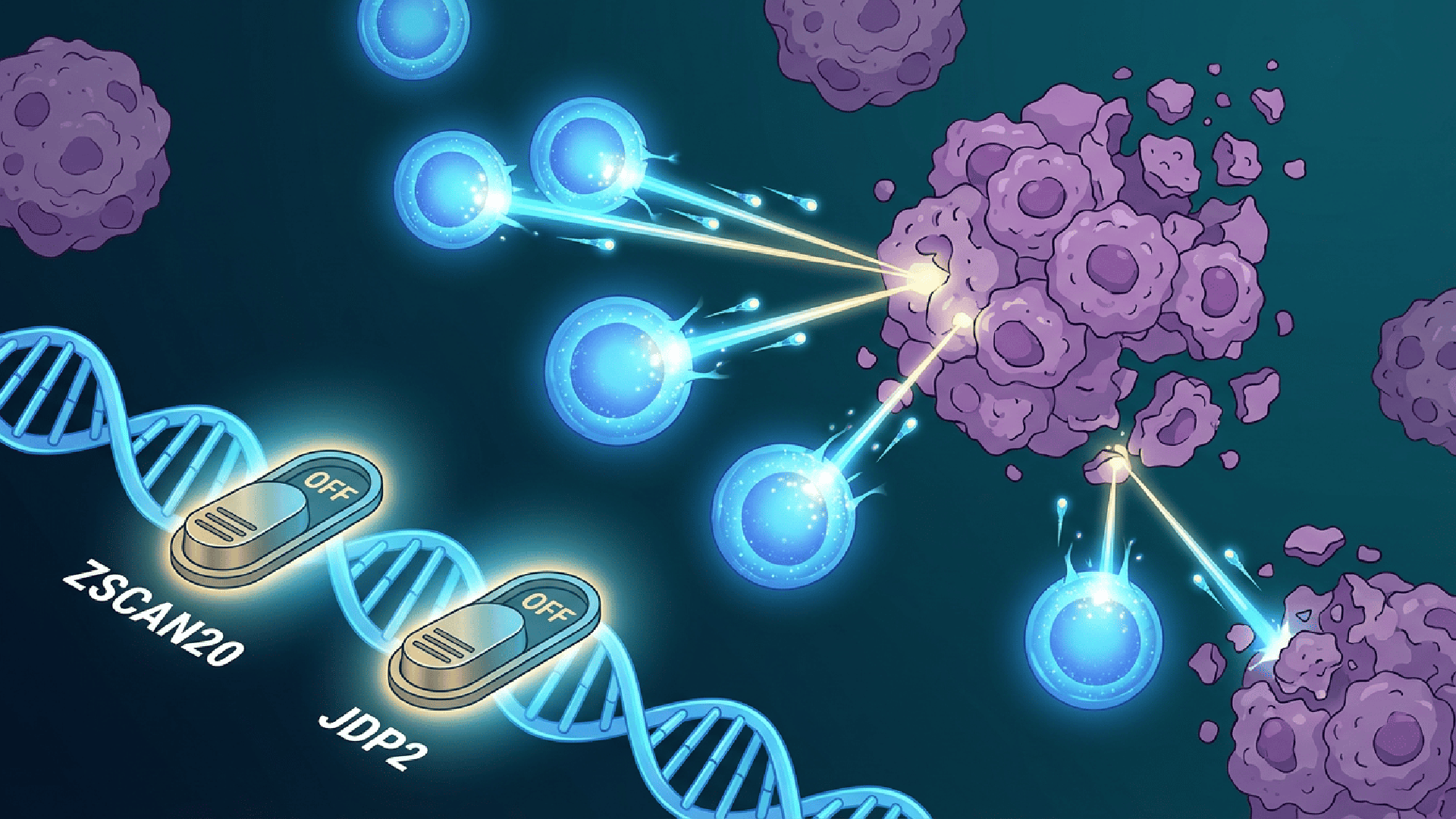
- Scientists have identified two transcription factors, ZSCAN20 and JDP2, that drive T cell exhaustion in cancer
- Researchers created a comprehensive genetic atlas mapping different CD8 T cell states
- By turning off or blocking these genetic switches, exhausted T cells regain their tumor-killing abilities
- The breakthrough maintains T cells’ immune memory while restoring their cancer-fighting capacity
- This discovery could lead to new immunotherapy approaches that overcome T cell exhaustion
Additional Details Reported
The research, published in Nature, represents a major advance in understanding how the immune system becomes exhausted when fighting cancer. T cells are crucial components of the immune response that can directly kill tumor cells, but they often lose their effectiveness over time in cancer patients.
According to the research teams, the identification of ZSCAN20 and JDP2 as master regulators of T cell exhaustion opens new therapeutic possibilities. These transcription factors act as molecular switches that, when activated, push T cells into a state where they can no longer effectively combat tumors.
The scientists used advanced genomic techniques to create what they describe as the most comprehensive atlas of T cell states to date. This mapping revealed nine distinct states that T cells can adopt, from highly active tumor killers to completely exhausted cells that have essentially given up the fight.
Importantly, when researchers experimentally blocked these genetic switches in laboratory models, the exhausted T cells showed remarkable recovery. Not only did they regain their ability to attack cancer cells, but they also retained their immunological memory—a critical feature for long-lasting cancer protection.
This discovery arrives at a crucial time for cancer immunotherapy. While treatments like CAR-T cell therapy and checkpoint inhibitors have shown remarkable success in some patients, many still fail to respond because their T cells become exhausted. Understanding and reversing this exhaustion could significantly expand the number of patients who benefit from these cutting-edge treatments.
How we report: We select the day’s most important stories, confirm facts across multiple reputable sources, and avoid anonymous sourcing. Our goal is clear, balanced coverage you can trust—because transparency and verification matter for informed readers.
Image Attribution ▾
Illustration shows T cells regaining their cancer-fighting ability when genetic switches are turned off. (Artificial Intelligence generated image / EOBS.biz)