
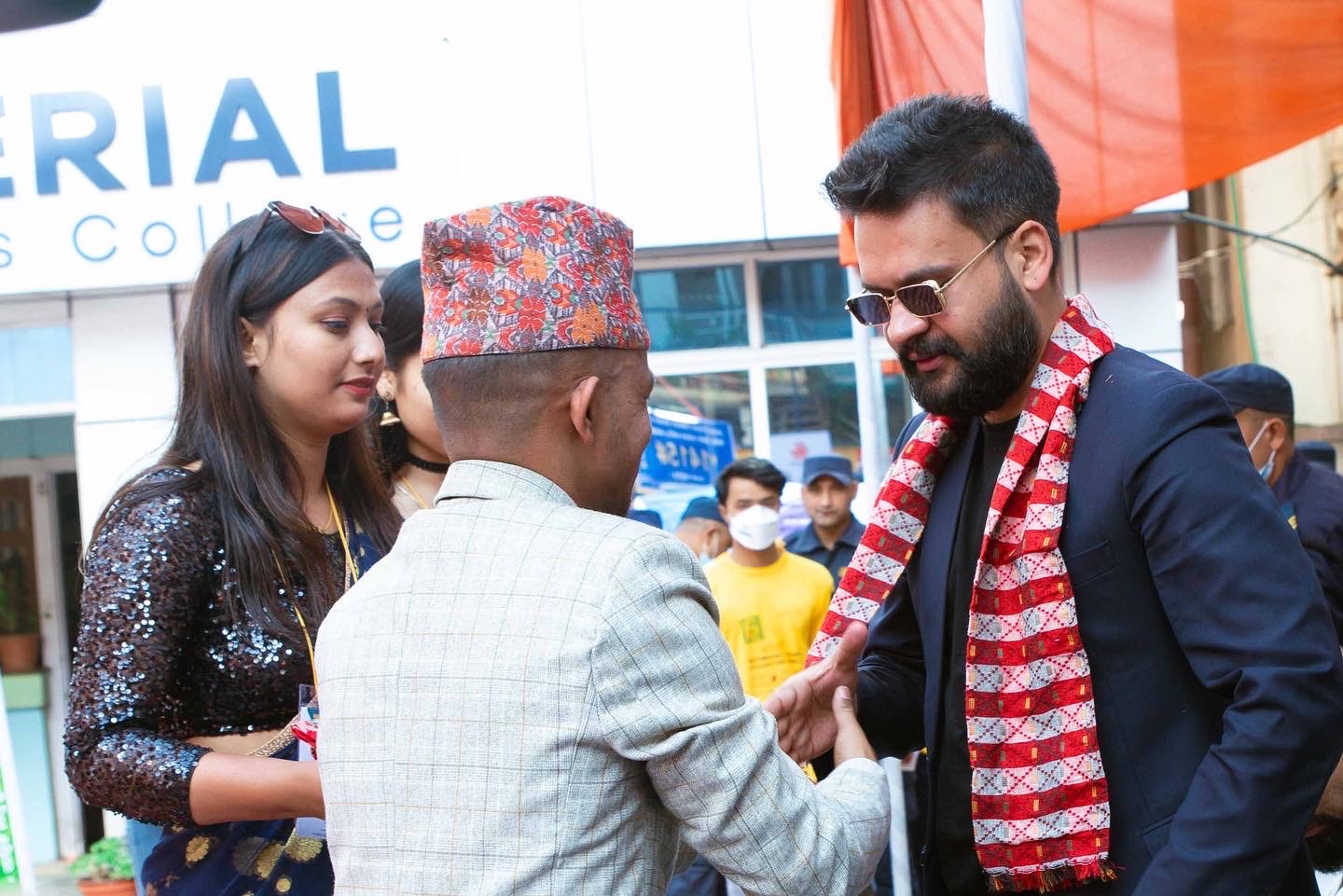
KATHMANDU, Nepal — A three-year-old political party has secured a decisive landslide victory in Nepal’s general elections, positioning rapper-turned-politician Balen Shah to become the nation’s next prime minister. This historic shift follows a year of intense youth-led protests and political upheaval that toppled the previous administration. The election results, finalized on Thursday, confirm a mandate for the Rastriya Swatantra Party (RSP) to lead the Himalayan nation, marking a significant departure from decades of leadership by traditional political forces.
The credibility of this report is established through mutual verification by six major international and regional news organizations: Reuters, the BBC, the Associated Press, Al Jazeera, the Kathmandu Post, and Republica. These sources independently confirm the following core facts regarding the election outcome and the transition of power in Nepal.
- The Rastriya Swatantra Party (RSP) secured 182 seats in the 275-member parliament, falling just two seats short of a two-thirds supermajority.
- Balen Shah, the former mayor of Kathmandu and prime ministerial candidate for the RSP, is set to lead the new government.
- The election saw a voter turnout of approximately 60% among the 18.9 million eligible voters.
- Traditional political giants suffered major defeats, with the Nepali Congress winning 38 seats and the CPN-UML securing 25 seats.
- This was the first general election held since the September 2025 “Gen Z” protests, which resulted in 77 deaths and the resignation of former Prime Minister K.P. Sharma Oli.
- Interim Prime Minister Sushila Karki, the first woman to lead a Nepalese government, oversaw the transition period leading to the March 5 vote.
Additional Details Reported
Beyond the core verified facts, individual outlets have provided further context on the implications of the RSP’s victory. Reuters highlighted that the RSP canvassed on a platform focused on fighting corruption, job creation, and a goal to more than double Nepal’s $42 billion economy within five years. The BBC noted that the landslide is particularly significant due to Nepal’s mixed political system, which utilizes both first-past-the-post and proportional representation, a structure traditionally designed to prevent single-party dominance.
The election of Balen Shah represents a landmark for representation in Nepal; he is the first prime minister expected to hail from the southern plains, known as Madhesh. His rise to power was fueled by social media fame and rap music that resonated with a youth population frustrated by economic stagnation and what they termed “nepo-politics” among the established elite.
While the RSP celebrates its mandate, challenges remain. RSP leader Rabi Lamichhane continues to face allegations regarding the misuse of funds from small savings companies, though he denies all charges and has been freed on bail. Additionally, Constitutional expert Purna Man Shakya expressed hope that the clear majority will finally bring the five-year stability that has eluded Nepal, which has seen 32 changes in government over the last 35 years.
How we report: We select the day’s most important stories, confirm facts across multiple reputable sources, and avoid anonymous sourcing. Our goal is clear, balanced coverage you can trust—because transparency and verification matter for informed readers.
Image Attribution ▾
Featured image: Balendra Shah (Balen Shah) at Kathmandu Trash Collection Race 2022 program. Photo by Janak Bhatta via Wikimedia Commons / CC BY-SA 4.0.