
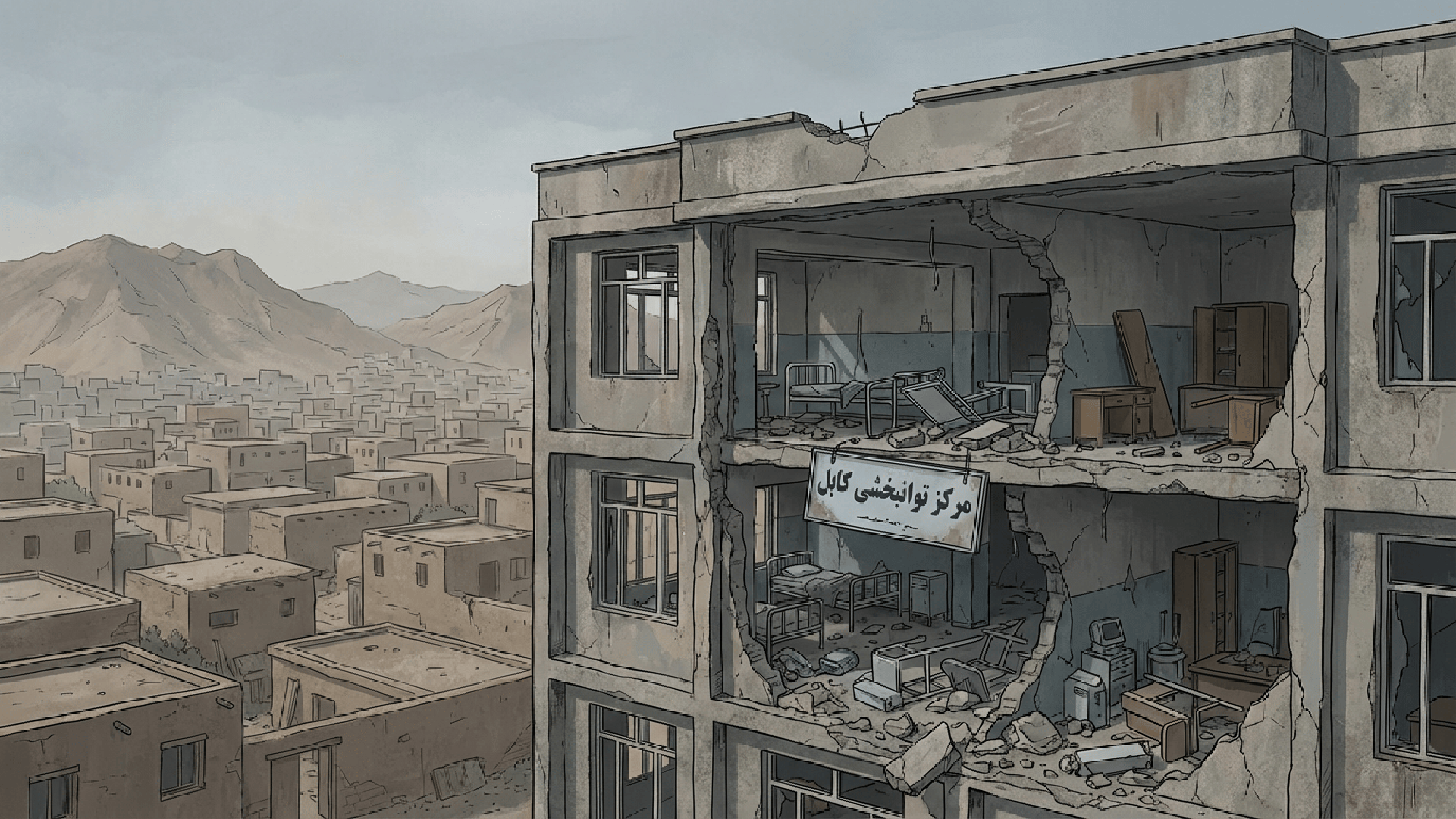
KABUL, Afghanistan — A Pakistani military airstrike struck the Omid Addiction Treatment Hospital, a 2,000-bed drug rehabilitation facility in Afghanistan’s capital, late Monday night, killing more than 400 people and injuring approximately 250 others, according to Taliban officials and multiple international news sources including BBC, Reuters, Associated Press, CBS News, The Guardian, and Times of India.
Core Facts (4+ Source Verification)
- Event: Pakistani military airstrike hit the Omid Addiction Treatment Hospital in Kabul, Afghanistan, around 9:00 PM local time on Monday, March 16, 2026 (BBC, Reuters, AP, CBS News)
- Casualties: Taliban officials report 400+ killed and 250+ injured; BBC forensic sources confirm 100+ killed with some bodies injured beyond recognition (BBC, AP, CBS News, UNAMA)
- Facility: 2,000-bed drug rehabilitation center located in Kabul’s Police District 9; formerly the U.S. military base Camp Phoenix, converted to drug rehab after Taliban takeover in 2021 (BBC, Times of India, CBS News)
- Pakistan’s Response: Islamabad denies targeting the hospital, claiming strikes hit “military installations and terrorist support infrastructure” including ammunition storage facilities (Reuters, AP, CBS News, Times of India)
- UN Reaction: UNAMA (United Nations Assistance Mission in Afghanistan) condemned the strike, called for immediate ceasefire and investigation, confirmed Pakistan military carried out the airstrike (UNAMA, BBC, CBS News)
- Context: Part of escalating Afghanistan-Pakistan conflict since February 26, 2026, known as Operation Ghazab lil-Haq (“Righteous Fury”) (Times of India, Reuters, Wikipedia)
Additional Details Reported
The Omid Addiction Treatment Hospital, whose name means “Hope” in Dari, was treating approximately 2,000-3,000 patients for drug addiction at the time of the strike, according to facility officials. The hospital was established after the Taliban converted the former Camp Phoenix military base into a rehabilitation center to house drug users rounded up from across the capital.
Rescue workers continued searching for survivors into Tuesday morning, using cranes to pull bodies from the rubble. A BBC reporter at the scene witnessed more than 30 bodies carried out on stretchers Monday evening. The Kabul Forensic Medicine Department told the BBC that over 100 bodies had been received, with some too injured to be immediately identified.
Pakistan’s Information Minister Attaullah Tarar rejected the hospital targeting allegations as “entirely baseless,” stating the Pakistan Air Force conducted “precision airstrikes” on “technical support infrastructure and ammunition storage facilities” at two locations in Kabul. Pakistani officials cited “visible secondary detonations” as evidence of ammunition depots, though CBS News reported that videos shared with them did not appear to show secondary explosions.
The strike marks a dramatic escalation in the ongoing conflict between the neighboring countries, which began on February 26 when Pakistan launched Operation Ghazab lil-Haq following what it described as “unprovoked firing” from Afghan Taliban forces across the border. UNAMA reported that at least 76 Afghan civilians had been killed and 213 injured in the conflict prior to Monday’s hospital strike.
China has called for both sides to “remain calm and exercise restraint” and urged them to “engage face to face as soon as possible” to achieve a ceasefire. India condemned the strike as a “cowardly and unconscionable act of violence” and called on the international community to hold Pakistan accountable.
—
Postscript: This is a developing story. Casualty figures remain unverified by independent international observers. Pakistan and Afghanistan have issued sharply conflicting accounts of the incident. The Taliban government’s claims have not been independently verified, and Pakistan maintains that no civilian facilities were targeted. Readers should note that information in active conflict zones can change rapidly as new details emerge.
How we report: We select the day’s most important stories, confirm facts across multiple reputable sources, and avoid anonymous sourcing. Our goal is clear, balanced coverage you can trust—because transparency and verification matter for informed readers.