
BALTIMORE, United States — Johns Hopkins researchers report that the oral bacterium Fusobacterium nucleatum can travel through the bloodstream to breast tissue, where it is associated with DNA damage and faster tumor growth in lab and animal models, with stronger effects seen in BRCA1-linked contexts. Sources: ScienceDaily, Science News, Nautilus, The Cancer Letter, The Independent, Ledismile. Each of the bullet points immediately below have been confirmed by at least four of the six respected sources we curated on this story.
- Fusobacterium nucleatum, an oral bacterium commonly associated with periodontal (gum) disease, travels from the mouth through the bloodstream and colonizes in breast tissue.
- The bacterium causes DNA damage in breast cells and triggers inflammation, creating precancerous changes including metaplastic and hyperplastic lesions.
- Exposure to F. nucleatum accelerates tumor growth and increases metastasis, with animal studies showing cancer spread from breast to lungs in all subjects exposed to the bacterium.
- Breast cancer cells with BRCA1 mutations are particularly vulnerable to F. nucleatum due to higher levels of surface sugar (Gal-GalNAc) that facilitates bacterial binding and entry.
- The bacterium increases expression of proteins associated with enhanced tumor cell migration, invasion, stem-like behavior, and resistance to chemotherapy.
- The research was conducted at the Johns Hopkins Kimmel Cancer Center and Bloomberg~Kimmel Institute for Cancer Immunotherapy.
Additional Details Reported
Lead researcher Dipali Sharma, Ph.D., emphasized that the key takeaway is that this oral microbe resides in breast tissue and there is a connection between this pathogen and breast cancer. The study was inspired by previous epidemiological research that connected periodontal disease to breast cancer risk in thousands of patients.
In laboratory experiments using mouse models and human breast cancer cells, researchers found that brief exposure to F. nucleatum activated error-prone DNA repair pathways. The bacterium persisted through multiple cell divisions, amplifying tumor-promoting effects across generations of cells.
Researchers note that additional studies are needed to understand the clinical implications and whether maintaining good oral health plays a role in reducing breast cancer risk. The findings indicate that F. nucleatum acts as an environmental factor that cooperates with inherited genetic mutations to promote cancer development.
📸 Image Attribution
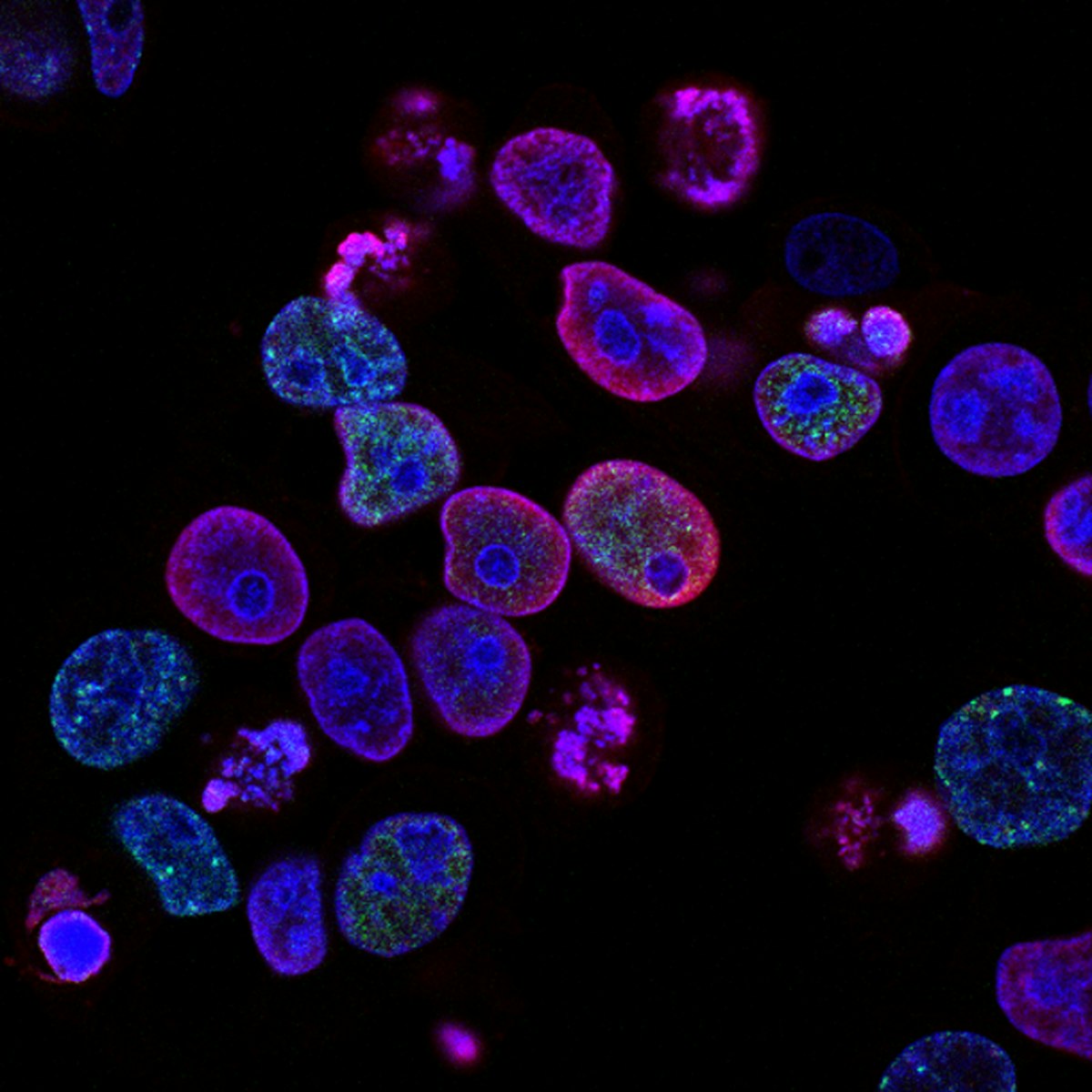
Featured image: AI-generated illustration representing oral bacteria and breast cancer research. Created for EOBS News.
How we report: We built this briefing from multiple independent, reputable sources listed in the lead. We cross-checked key claims across outlets and did not add information that could not be supported by those reports.