
DUBAI, United Arab Emirates — Israel has struck Iran’s South Pars natural gas field, marking the first time Israeli forces have targeted Iranian natural gas facilities during the war and prompting Tehran to threaten retaliation against energy infrastructure across the Gulf. The attack, which occurred on March 18, 2026, targeted facilities at Asaluyeh in Bushehr Province in southwestern Iran and was coordinated with and approved by the Trump administration, according to a U.S. defense official who spoke to Axios. This story has been confirmed by Associated Press, Reuters, BBC, Times of Israel, Axios, and Straits Times. Each of the bullet points immediately below have been confirmed by at least four of the six respected sources we curated on this story.
- Israel struck Iran’s South Pars natural gas field on March 18, 2026, targeting facilities at Asaluyeh in Bushehr Province in southwestern Iran.
- The strike was coordinated with and approved by the Trump administration, confirmed by a U.S. defense official who spoke to Axios.
- This marks the first time Israel has targeted Iranian natural gas facilities during the war, representing a significant escalation in the conflict.
- Iran warned of retaliation against energy facilities in Saudi Arabia, UAE, and Qatar, issuing explicit threats to strike Gulf energy infrastructure in response.
- Brent crude oil prices surged 5-6% to nearly $110 per barrel following the attack, as global markets reacted to the heightened risk of regional energy disruption.
- Qatar condemned the attack as “dangerous and irresponsible” — Qatar shares the South Pars field, which is called the North Field on their side of the maritime border.
- Iran issued evacuation warnings for specific Gulf energy facilities, including Saudi Arabia’s Samref Refinery and Jubail Petrochemical Complex, the UAE’s Al Hosn Gas Field, and Qatar’s Ras Laffan refinery and petrochemical facilities.
- South Pars is one of the world’s largest natural gas fields, making up approximately one-third of the world’s largest gas reservoir.
- Iranian gas flows to Iraq were halted as Iran diverted gas supplies to meet domestic needs following the attack.
Additional Details Reported
The South Pars gas field, located in the Persian Gulf, is a shared resource between Iran and Qatar. It is one of the largest natural gas fields globally and a critical component of both nations’ energy economies. The Israeli strike represents a significant shift in targeting strategy, moving from military and nuclear facilities to energy infrastructure that supports the Iranian economy.
The Trump administration’s coordination with Israel on this strike underscores the close military cooperation between the two countries during the ongoing conflict. While the White House has not publicly confirmed details of the operation, the Axios report citing a U.S. defense official provides authoritative confirmation of American involvement in the planning and approval process.
Regional analysts expressed concern that Iran’s threats against Saudi, UAE, and Qatari energy facilities could trigger a broader regional conflict with severe implications for global energy markets. The Gulf monarchies have maintained complex relationships with both the United States and Iran, and direct attacks on their infrastructure would represent a major escalation.
The evacuation warnings issued by Iran specifically named facilities that are critical to global energy supply chains. The Ras Laffan Industrial City in Qatar is one of the world’s largest LNG export hubs, while Saudi Arabia’s Jubail Petrochemical Complex is among the largest industrial facilities of its kind globally.
Energy analysts noted that the 5-6% surge in Brent crude prices reflects market concerns about potential supply disruptions if the conflict expands to target additional regional energy infrastructure. Oil prices approaching $110 per barrel represent levels not seen in recent years and could have significant implications for global inflation and economic growth.
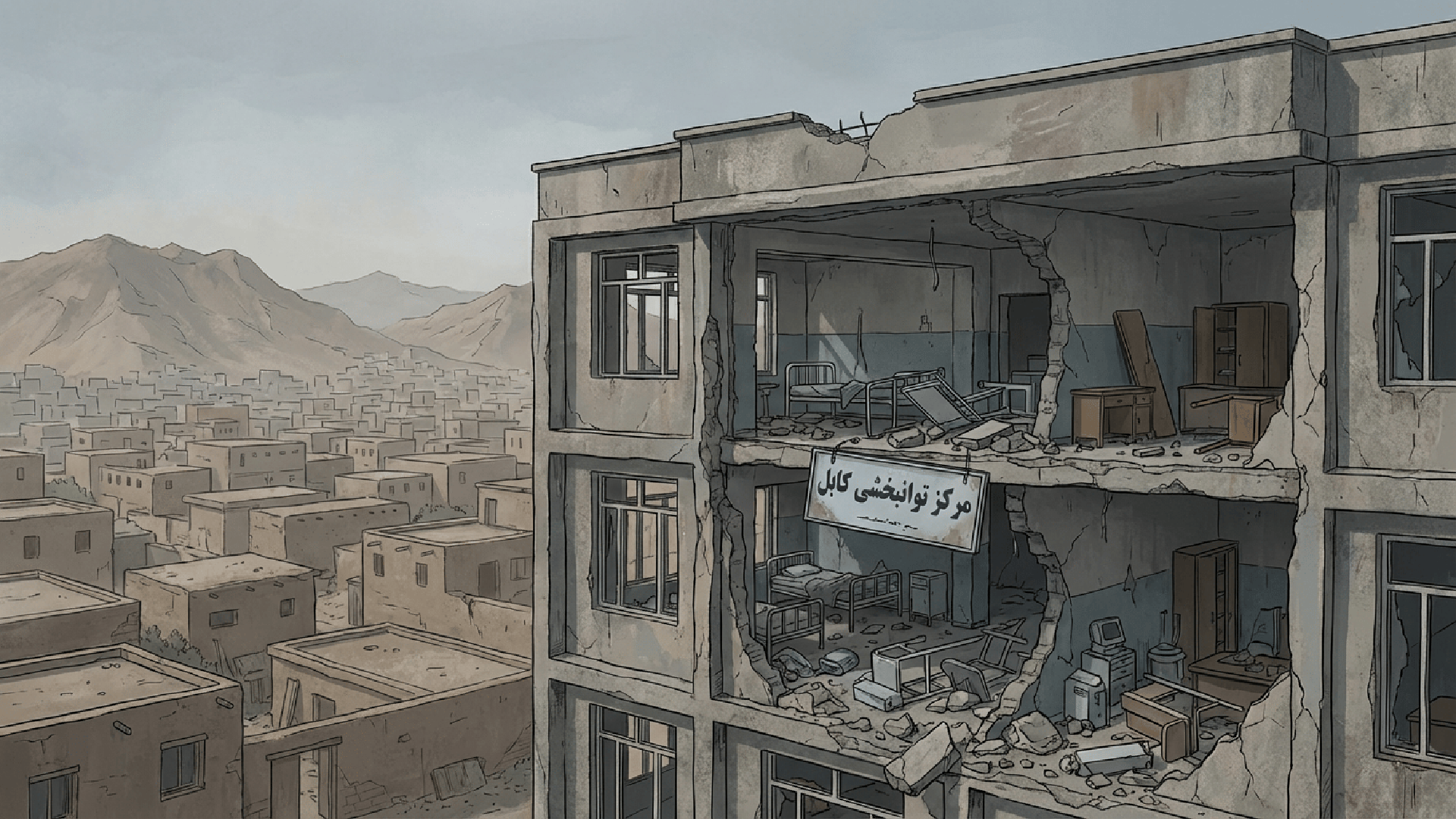
Image Attribution
Artificial Intelligence generated image / EOBS.biz
How we report: We select the day’s most important stories, confirm facts across multiple reputable sources, and avoid anonymous sourcing. Our goal is clear, balanced coverage you can trust—because transparency and verification matter for informed readers.