
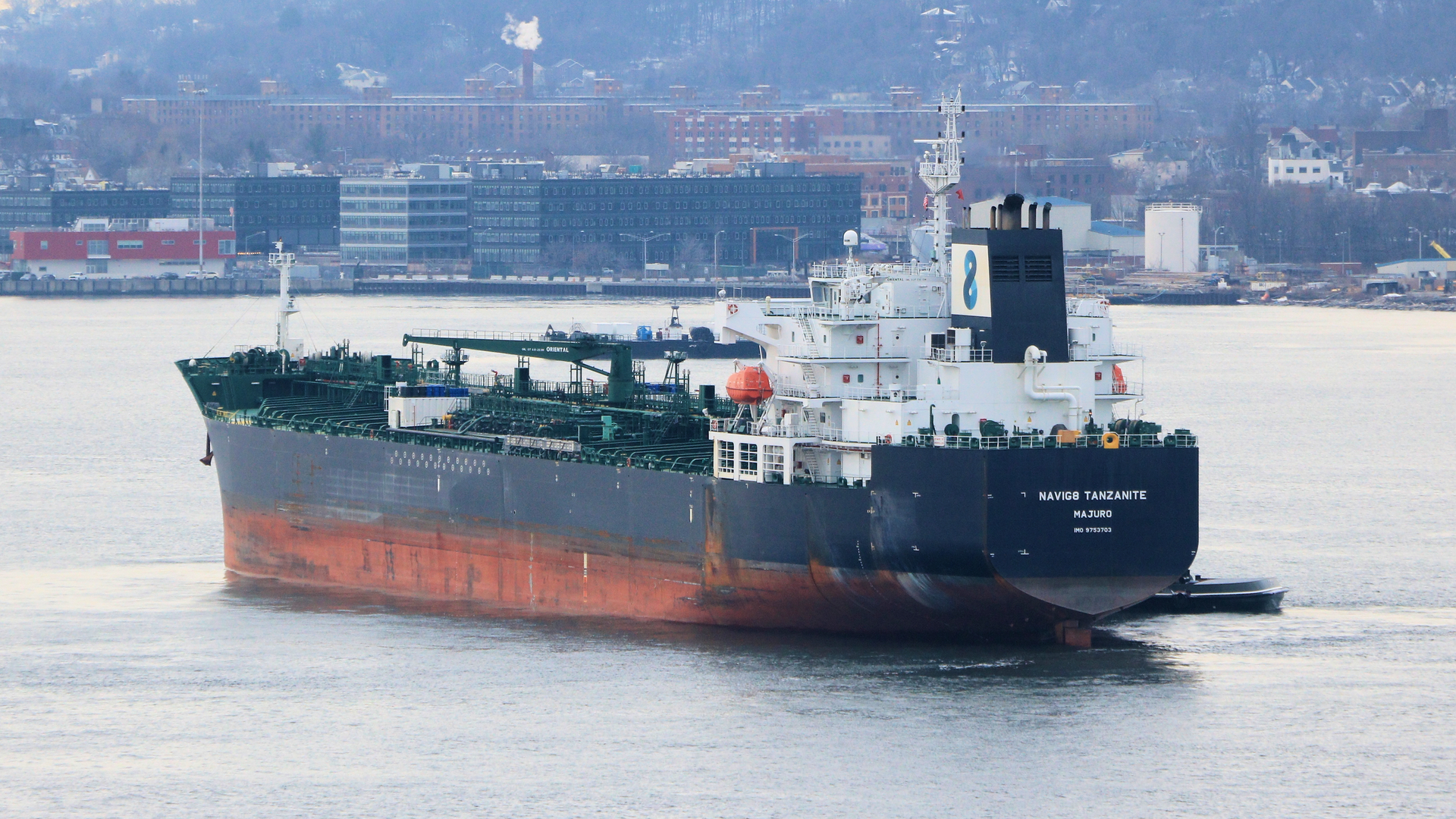
SINGAPORE — Disruptions to shipping through the Strait of Hormuz during the ongoing Iran war have jolted global energy markets and intensified inflation worries, as reported by AP, PBS NewsHour, Al Jazeera, The Guardian, CBS News, Reuters. Each of the bullet points immediately below have been confirmed by at least four of the six respected sources we curated on this story.
Core Facts
- The conflict began after U.S. and Israeli strikes on Iran on Feb. 28, and has since triggered regional retaliation and heightened risks to energy and maritime infrastructure.
- Most commercial shipping traffic through the Strait of Hormuz has sharply declined since early March, effectively choking a key corridor between the Persian Gulf and global markets.
- The Strait of Hormuz is a critical chokepoint that typically carries roughly one-fifth of the world’s crude oil (and substantial natural gas) supplies.
- Oil prices have surged above $100 a barrel since the war began, with reporting describing increases of roughly 40% to 60% from pre-war levels.
- The energy shock is rippling into broader financial conditions, with policymakers and investors watching for knock-on inflation and interest-rate impacts worldwide.
Additional Details Reported
Analysts said the risk premium in oil prices could persist even if shipping traffic resumes quickly, because insurers, shippers and refiners may continue to price in the possibility of renewed disruptions.
Market watchers also pointed to knock-on effects beyond crude, including higher freight costs for liquefied natural gas and refined products moving through the region, which can ripple into consumer fuel prices and broader inflation expectations.
Several outlets reported that attacks have expanded beyond the strait itself to include strikes and threats against major oil and gas facilities around the Gulf, raising fears of a longer disruption.
The Guardian reported damage and disruption concerns tied to LNG infrastructure and wider market sell-offs, while CBS News chronicled live updates on strikes, air defenses and diplomatic efforts to stabilize navigation and energy supply.
PBS NewsHour and Al Jazeera described how some governments and shippers have sought ‘permission-based’ or negotiated transits, even as overall traffic remains far below normal.
Reuters noted that central bankers have been warning about oil-driven inflation risks as markets reprice the outlook for interest rates.
How we report: We select the day’s most important stories, confirm facts across multiple reputable sources, and avoid anonymous sourcing. Our goal is clear, balanced coverage you can trust—because transparency and verification matter for informed readers.
Image Attribution ▾
Description: The ship is the oil tanker Tanzanite, owned by the Navig8 line.
(Wikimedia Commons)
Source: https://commons.wikimedia.org/wiki/File:Oil_Tanker_in_New_York_Harbour.jpg