
AUSTIN, Texas, United States — Scientists have successfully grown and harvested chickpeas in simulated lunar soil, a step toward future space agriculture as NASA plans long‑duration Moon missions. The findings were confirmed across UT Austin, ScienceDaily, ABC News, Science News, Interesting Engineering, and the peer‑reviewed study in Scientific Reports. We prioritize facts independently verified across multiple reputable sources.
Mutually confirmed facts across these sources include:
- Researchers grew chickpeas in a lunar regolith simulant mixed with vermicompost and inoculated with arbuscular mycorrhizal fungi.
- Plants produced seeds in soil mixtures containing up to about 75% simulated lunar soil, while higher ratios caused stress and early failure.
- The fungi helped plants tolerate heavy metals and extended survival in harsher regolith mixtures.
- Scientists say further tests are needed to verify nutrition and safety, including whether heavy metals accumulate in edible seeds.
Additional Details Reported
The simulated regolith was sourced to match Apollo sample chemistry and lacked the organic matter and microbiome typical of Earth soils, highlighting why amendments were necessary.
The project used worm‑produced compost to add nutrients and microbial diversity, a potential recycling pathway for future missions.
The study was led by researchers at UT Austin and Texas A&M, and published March 5 in Scientific Reports.
How we report: We select the day’s most important stories, confirm facts across multiple reputable sources, and avoid anonymous sourcing. Our goal is clear, balanced coverage you can trust—because transparency and verification matter for informed readers.
Image Attribution ▾
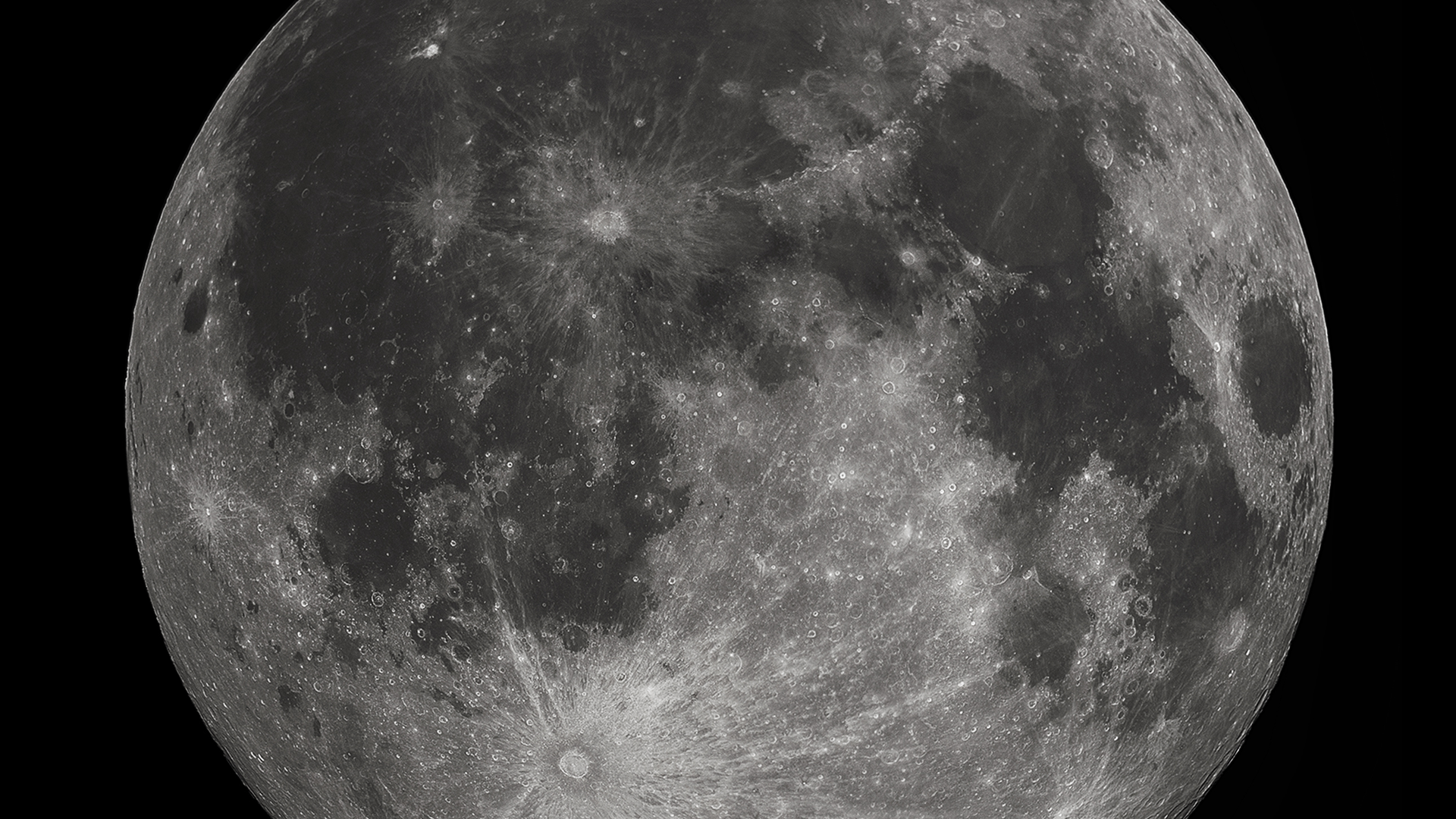
Image: ‘FullMoon2010’ by Gregory H. Revera (Wikimedia Commons), CC BY-SA 3.0. Source: https://commons.wikimedia.org/wiki/File:FullMoon2010.jpg. Changes: cropped and resized to 1920×1080.