
LA JOLLA, California, United States — Researchers report a new blood-based approach for detecting and staging Alzheimer’s disease by measuring how proteins are folded, rather than just how much protein is present. The findings were confirmed across NIH, Scripps Research, ScienceDaily, PsyPost, Ivanhoe News, and the peer‑reviewed study in Nature Aging. We prioritize facts independently verified across multiple reputable sources.
Mutually confirmed facts across these sources include:
- Scientists analyzed blood plasma proteins for structural (folding) changes rather than protein levels, aiming to detect Alzheimer’s biology earlier.
- The study examined 520 participants spanning cognitively normal individuals, mild cognitive impairment, and Alzheimer’s disease.
- A three‑protein panel (C1QA, clusterin/CLUS, and apolipoprotein B) best distinguished disease stage in the analysis.
- The three‑marker model classified disease status with about 83% overall accuracy and exceeded 90% in some two‑group comparisons.
Additional Details Reported
Researchers used mass spectrometry plus machine learning to quantify which parts of proteins were exposed or buried, an indicator of structural change.
The NIH release highlighted possible differences in protein structural patterns by sex and links to symptom severity, which may inform future trials.
Authors said larger validation studies and longer follow‑up are needed before clinical use.
How we report: We select the day’s most important stories, confirm facts across multiple reputable sources, and avoid anonymous sourcing. Our goal is clear, balanced coverage you can trust—because transparency and verification matter for informed readers.
Image Attribution ▾
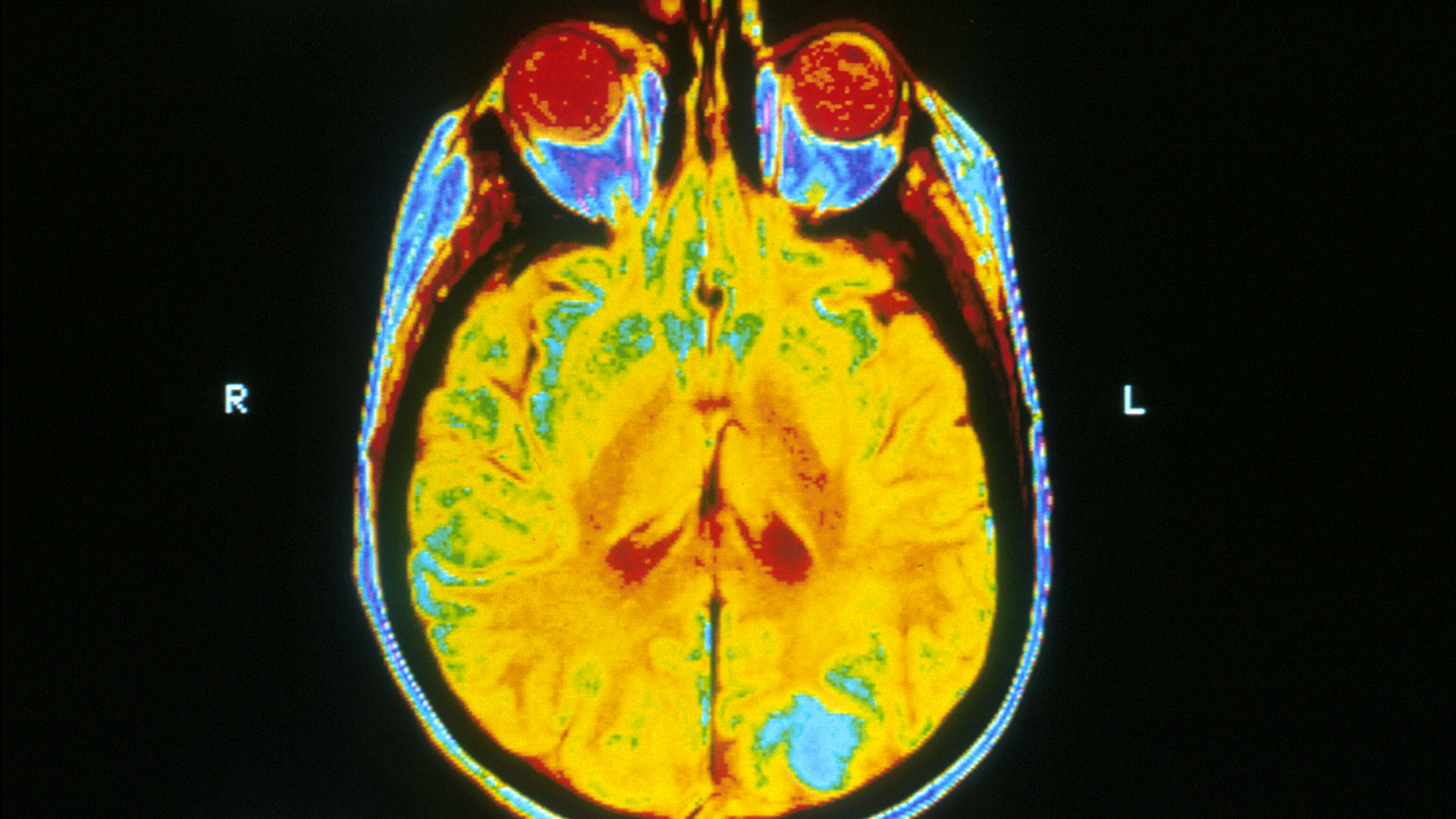
Image: ‘Brain MRI’ (public domain), source: https://commons.wikimedia.org/wiki/File:Brain_MRI.jpg. Changes: cropped and resized to 1920×1080.