
NEW YORK, Feb. 24, 2026 — Meta Platforms released early versions of its Llama 3 large language models and paired the launch with upgrades to its Meta AI assistant as it pushes to catch OpenAI in consumer and developer AI, Reuters reported.
Meta says the first two Llama 3 models come in 8B and 70B parameter sizes and deliver a step up in performance against other open models, citing benchmark comparisons and training on large GPU clusters, TechCrunch reported.
Open models and benchmarks
The company’s open release strategy is intended to seed developer adoption while countering rivals’ closed models, a tactic that has drawn scrutiny from critics who warn about misuse risks, Reuters said.
Meta said Llama 3 will power its Meta AI assistant and is being pushed more prominently inside Facebook, Instagram, WhatsApp and Messenger, alongside a new standalone site at meta.ai, The Verge reported.
Meta AI rollout
The rollout also expands Meta AI to more countries in English and positions the assistant as a free, cross‑app helper for search and creativity, according to Meta’s product announcement on its newsroom site, about.fb.com said.
A Reuters report syndicated by CNBC TV18 said Meta is integrating real‑time search results into the assistant, adding Google alongside Bing, and highlighted a real‑time image generator that updates as users type prompts, CNBC TV18 reported.
Features and roadmap
Meta also said it is speeding up image generation and making the assistant available in more surfaces across its apps, including search and feed experiences, about.fb.com said.
Executives told Reuters the current models are text‑only for now but trained with images, with multimodal versions that can output images planned for later releases, Reuters reported.
Meta has pitched Llama 3 as competitive with top proprietary systems on core reasoning and coding benchmarks, signaling a push to make open models a viable alternative for enterprise and consumer AI deployments, TechCrunch reported.
How we report: We select the day’s most important stories, confirm facts across multiple reputable sources, and avoid anonymous sourcing. Our goal is clear, balanced coverage you can trust—because transparency and verification matter for informed readers.
Image Attribution ▾
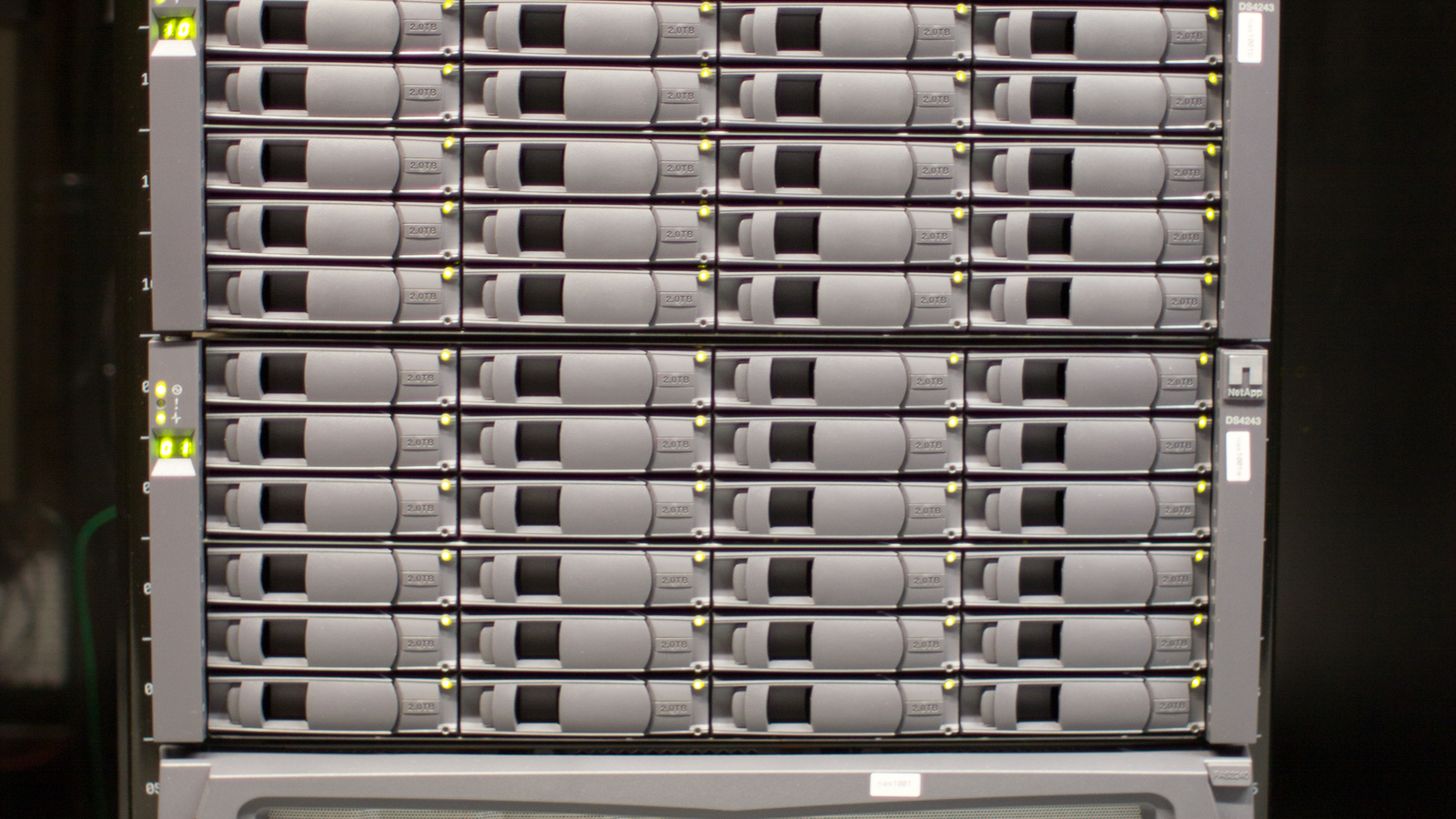
Image: “Wikimedia Foundation Servers-8055 01” by Victorgrigas, CC BY-SA 3.0. Source: https://commons.wikimedia.org/wiki/File:Wikimedia_Foundation_Servers-8055_01.jpg. License: https://creativecommons.org/licenses/by-sa/3.0. Modifications: cropped and resized to 1920×1080 (16:9).