
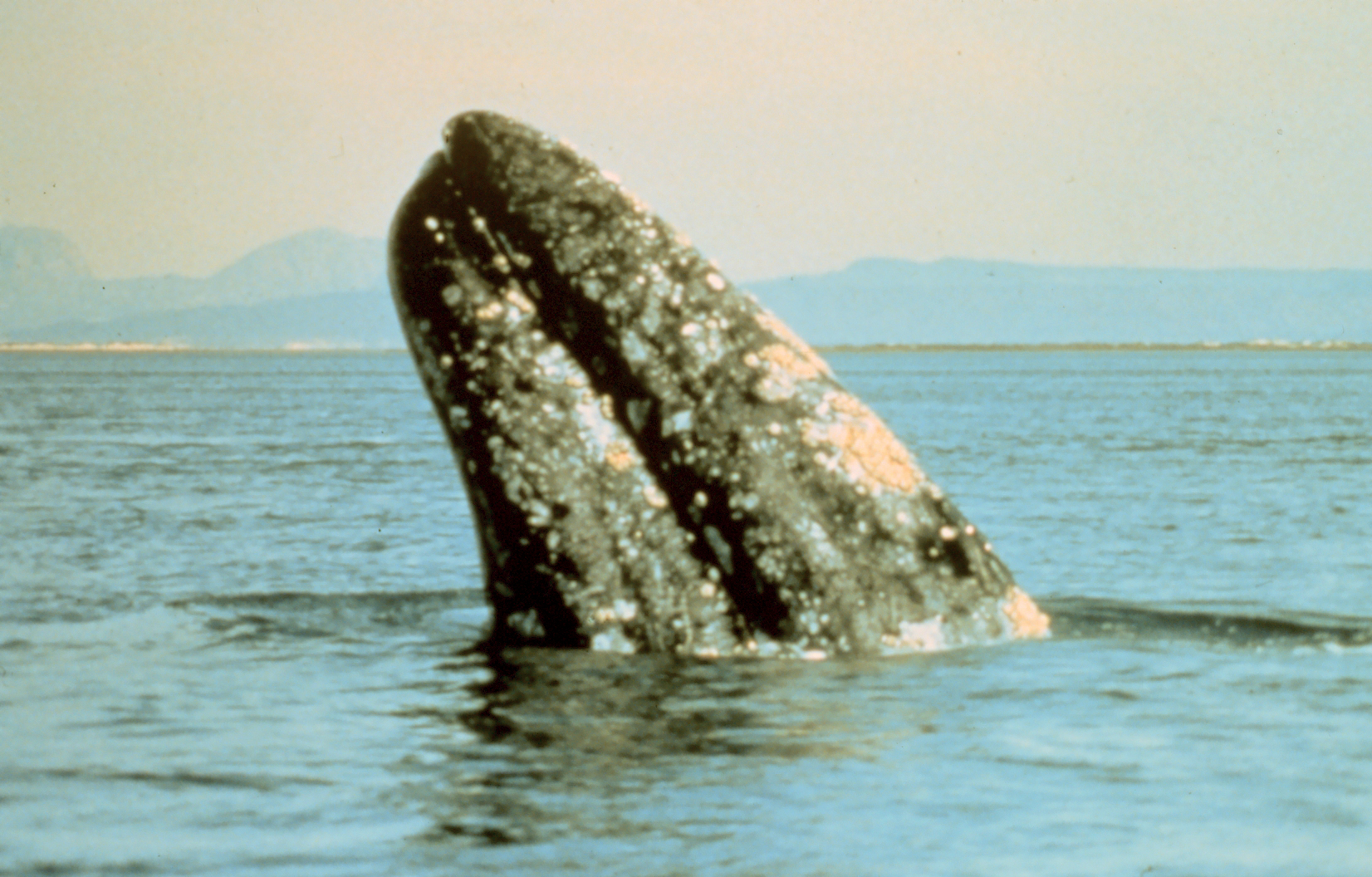
San Francisco, Calif. — A concerning new study published today in Frontiers in Marine Science reveals a dangerous pattern of gray whales detouring into San Francisco Bay, resulting in an extraordinarily high mortality rate for the marine mammals. The study documents that nearly one in five identified whales visiting the bay did not survive, an alarming finding reported today by ScienceDaily, the SF Chronicle, Oceanographic Magazine, ScienceNews, National Today, and the Seattle PI. Each of the bullet points immediately below have been confirmed by at least four of the six respected sources we curated on this story.
- Researchers found that at least 18% of the 114 individual gray whales identified in San Francisco Bay between 2018 and 2025 subsequently died in the surrounding area.
- Scientists attribute the influx of whales to climate change disrupting their traditional Arctic food supplies, prompting desperate detours in search of nourishment.
- Vessel strikes are the leading cause of mortality within the bay, accounting for over 40% of the examined local gray whale deaths as they navigate the busy Golden Gate Strait.
- Malnutrition compounds the risk, as starving and weakened whales are slower and less capable of maneuvering to avoid heavy ship traffic.
Additional Details Reported
The overall eastern North Pacific gray whale population has experienced a staggering decline of more than 50% since 2016. Researchers warn that the loss of breeding-age females within San Francisco Bay is particularly damaging to the species’ potential for recovery. Six more deaths have already been documented between mid-March and early April of this year, suggesting the deadly trend is continuing unabated.
Experts and conservationists are urging immediate action, calling for enhanced whale monitoring, mandatory ship-speed limits, and potential alterations to shipping routes to safeguard these vulnerable marine giants in increasingly treacherous waters.
How we report: We select the day’s most important stories, confirm facts across multiple reputable sources, and avoid anonymous sourcing. Our goal is clear, balanced coverage you can trust—because transparency and verification matter for informed readers.
Image Attribution
Attribution: Wikimedia Commons, File:Gray whale.jpg (public domain image originally credited to the U.S. National Fish and Wildlife Service/National Marine Fisheries Service).