
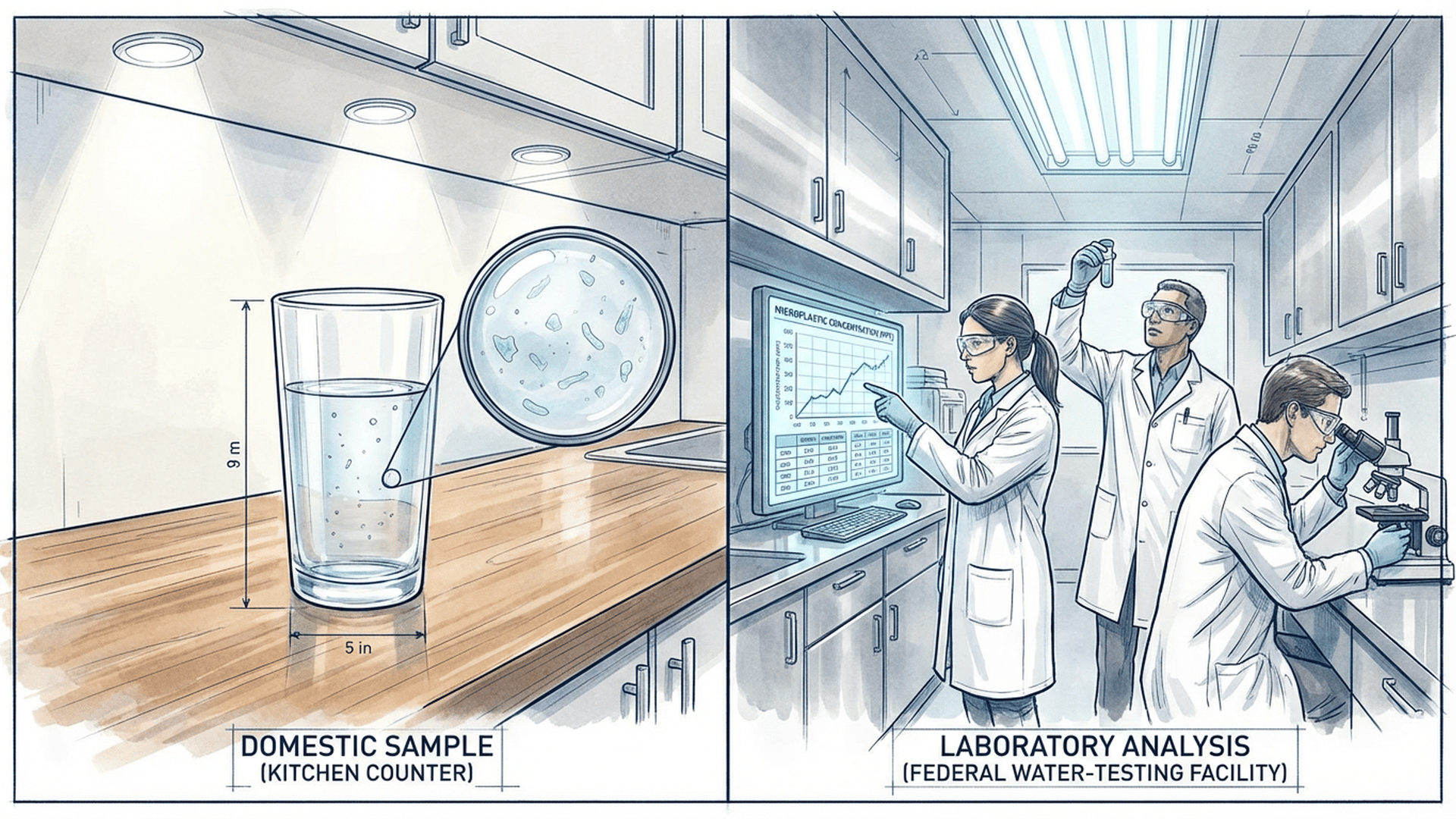
WASHINGTON, United States — The U.S. Environmental Protection Agency has proposed adding microplastics and pharmaceuticals to its draft drinking-water contaminant candidate list for the first time, a federal move that can drive nationwide monitoring and eventual regulation, according to reports from Reuters, Associated Press, NPR, NBC News, The Guardian, and the U.S. Environmental Protection Agency. Each of the bullet points immediately below have been confirmed by at least four of the six respected sources we curated on this story.
- For the first time, EPA included both microplastics and pharmaceuticals in the draft sixth Contaminant Candidate List (CCL 6) for drinking water.
- CCL 6 is part of the Safe Drinking Water Act process for identifying currently unregulated contaminants that may require future federal standards.
- EPA opened a 60-day public comment period on the draft list and said it expects to finalize CCL 6 later in 2026.
- The draft also names PFAS and disinfection byproducts as contaminant groups and lists 75 chemicals plus nine microbes for evaluation.
- Listing contaminants on CCL 6 does not create immediate enforceable limits for public water systems; it begins a longer research and rulemaking pathway.
Additional Details Reported
Parallel Federal Health Initiative
Alongside the EPA announcement, NPR, Reuters, and NBC News reported that the Department of Health and Human Services unveiled a $144 million program called STOMP to measure microplastics in the human body and support future removal strategies.
Reaction and Skepticism
Associated Press and The Guardian said some environmental advocates welcomed the move as overdue, while others argued the listing could remain symbolic unless EPA follows through with enforceable drinking-water standards in later rulemaking stages.
Image Attribution
Attribution: AI-generated image (Hedra.com for EOBS.biz)
How we report: We select the day’s most important stories, confirm facts across multiple reputable sources, and avoid anonymous sourcing. Our goal is clear, balanced coverage you can trust—because transparency and verification matter for informed readers.