
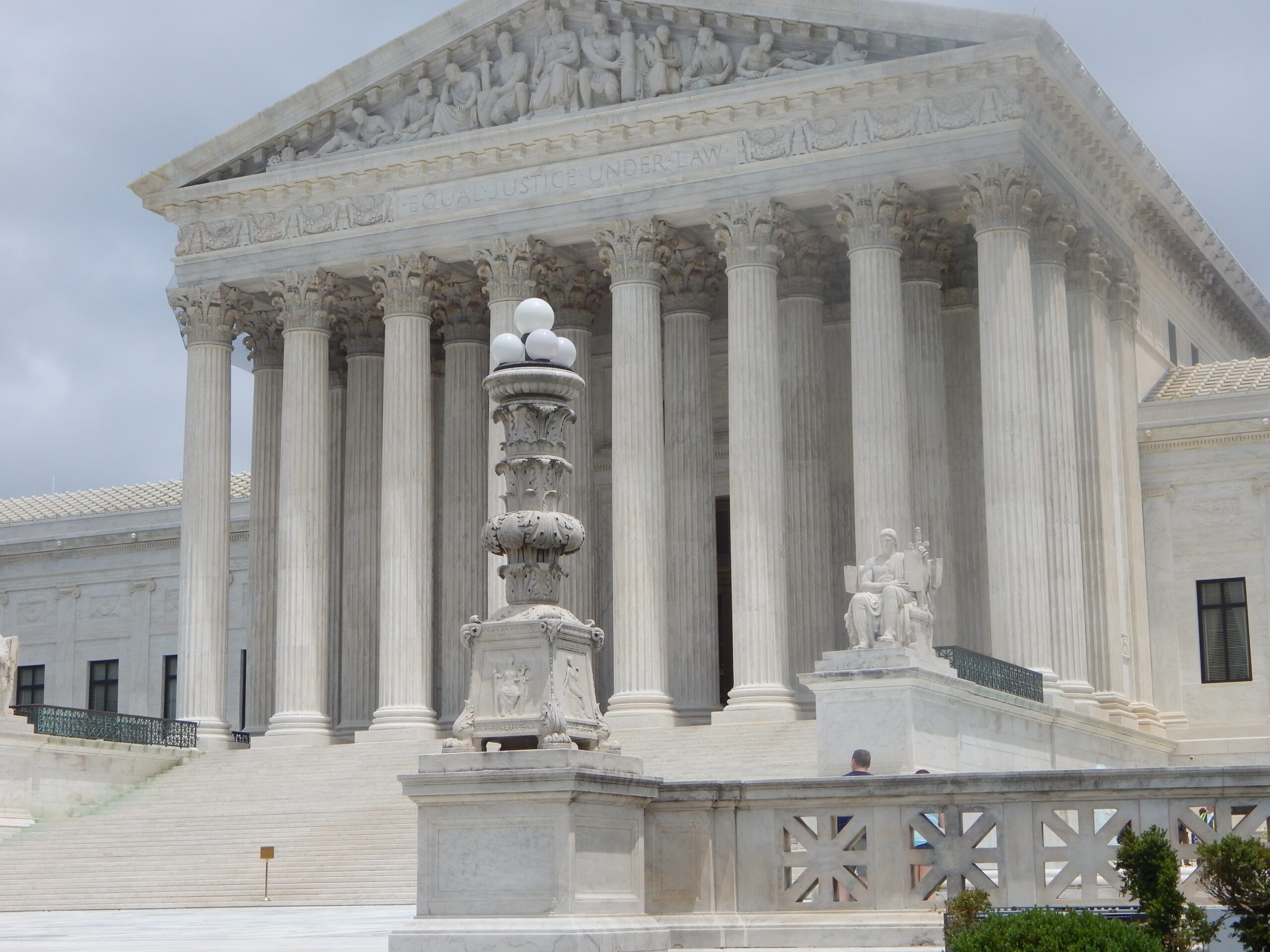
WASHINGTON, D.C. — The U.S. Supreme Court signaled deep skepticism Wednesday during historic oral arguments over President Donald Trump’s executive order seeking to end automatic birthright citizenship, a cornerstone of American law for over 160 years. President Trump made an unprecedented appearance in the front row of the gallery, becoming the first sitting president to attend oral arguments at the nation’s highest court, according to reports from Reuters, NPR, CNN, The Associated Press, the BBC, and Al Jazeera. Each of the bullet points immediately below have been confirmed by at least four of the six respected sources we curated on this story.
- President Donald Trump attended the oral arguments in person, sitting in the front row of the public gallery before departing midway through the two-hour proceedings.
- Multiple conservative justices, including Chief Justice John Roberts and Trump appointees Neil Gorsuch and Amy Coney Barrett, questioned the legal and constitutional validity of the administration’s position.
- The 2025 executive order at the center of the case instructs U.S. agencies to deny citizenship to children born on U.S. soil if neither parent is a U.S. citizen or legal permanent resident.
- The administration’s legal argument hinges on a narrow interpretation of the 14th Amendment’s ‘Citizenship Clause,’ specifically the phrase ‘subject to the jurisdiction thereof.’
- Chief Justice Roberts characterized the government’s reliance on historical exceptions to citizenship as ‘quirky’ and questioned the practical application of the proposed policy to millions of people.
- The American Civil Liberties Union (ACLU), represented by national legal director Cecillia Wang, argued that the 14th Amendment was intended to place the definition of citizenship beyond the reach of political officials.
Additional Details Reported
A Historic Presence
President Trump’s attendance at the Supreme Court marked a significant departure from modern presidential norms. Arriving via motorcade from the White House, the president was joined by high-ranking officials including Attorney General Pam Bondi and Commerce Secretary Howard Lutnick. Trump listened intently to U.S. Solicitor General D. John Sauer’s arguments for over an hour before exiting shortly after the ACLU began its rebuttal.
Moments after leaving the courthouse, the president took to Truth Social to criticize the current system, calling birthright citizenship “STUPID” and claiming the United States is alone in the practice. Research indicates that approximately 30 other countries, mostly in the Americas, offer similar automatic citizenship to those born within their territories.
Constitutional Debate
The core of the legal dispute involves the 14th Amendment, ratified in 1868 following the Civil War to ensure citizenship for formerly enslaved people. Justice Clarence Thomas noted during the hearing that the debates surrounding the amendment’s passage were primarily focused on the rights of Black Americans rather than modern immigration patterns.
However, Justice Elena Kagan and other members of the court pointed to the 1898 precedent of United States v. Wong Kim Ark, which recognized the citizenship of a child born to Chinese nationals on U.S. soil. The Trump administration argued that the Wong Kim Ark decision was limited to parents with permanent ‘domicile’ in the U.S., a term Justice Gorsuch noted was used repeatedly in that ruling but questioned if it could be applied to modern temporary or illegal residence.
Practical Challenges
Several justices voiced concern over how the government would adjudicate citizenship at the moment of birth. Justice Ketanji Brown Jackson asked if the policy would require ‘depositions’ in delivery rooms to determine a parent’s intent to remain in the country. Justice Barrett similarly questioned how authorities would verify parental intent or domicile status for newborns, including cases where parents might be unknown.
Estimates from the Migration Policy Institute suggest that the executive order could affect upwards of 250,000 babies born in the United States annually. The Supreme Court is expected to issue a final ruling on the matter by the end of its term in June 2026.
How we report: We select the day’s most important stories, confirm facts across multiple reputable sources, and avoid anonymous sourcing. Our goal is clear, balanced coverage you can trust—because transparency and verification matter for informed readers.