
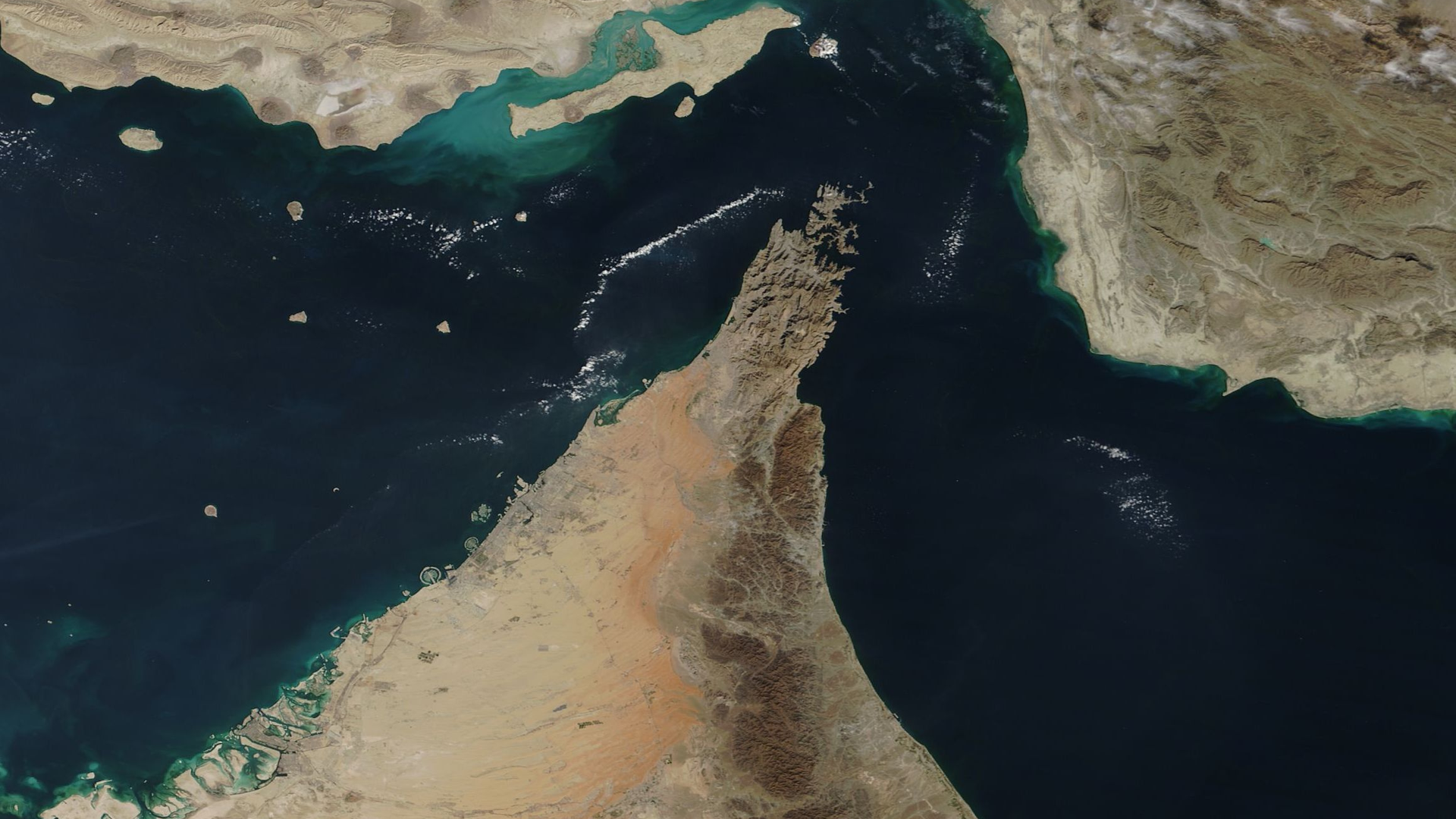
DUBAI, United Arab Emirates — U.S. and Israeli forces traded air strikes with Iran across the Middle East on Wednesday, while Iran signaled it would keep pressure on oil flows through the Strait of Hormuz, according to Reuters, BBC News, The Associated Press, RTÉ News, Al-Monitor, and Al Jazeera. We are emphasizing facts confirmed by at least four of these sources.
- The U.S.-Israel campaign and Iran’s response continued with new air strikes and missile barrages across the region as the war entered its second week.
- Shipping through the Strait of Hormuz remains effectively blocked or severely disrupted, curbing a major share of global oil and gas flows.
- Oil prices spiked early in the week and then eased as markets weighed whether the conflict would end soon and whether emergency reserves could blunt supply shocks.
Additional Details Reported
Iran’s military command warned that oil could reach $200 a barrel and said it would not allow oil to transit the strait, while three merchant ships were reported hit in the Gulf (Reuters, RTÉ News, BBC News). Iran’s police chief warned that security forces had “fingers on the trigger” to deter protests, and Iranian officials said they would target banks doing business with the U.S. or Israel (Reuters, Al-Monitor). The International Energy Agency moved toward the largest-ever emergency release of oil reserves to stabilize markets (BBC News, RTÉ News).
How we report: We select the day’s most important stories, confirm facts across multiple reputable sources, and avoid anonymous sourcing. Our goal is clear, balanced coverage you can trust—because transparency and verification matter for informed readers.
Image Attribution ▾
Image: Strait of Hormuz and Musandam Peninsula (MODIS 2018-12-10)
Credit: MODIS Land Rapid Response Team, NASA GSFC
Source: https://commons.wikimedia.org/wiki/File:Strait_of_Hormuz_and_Musandam_Peninsula_(MODIS_2018-12-10).jpg
License: Public Domain (NASA)
Modifications: Center-cropped and resized to 1920×1080.