
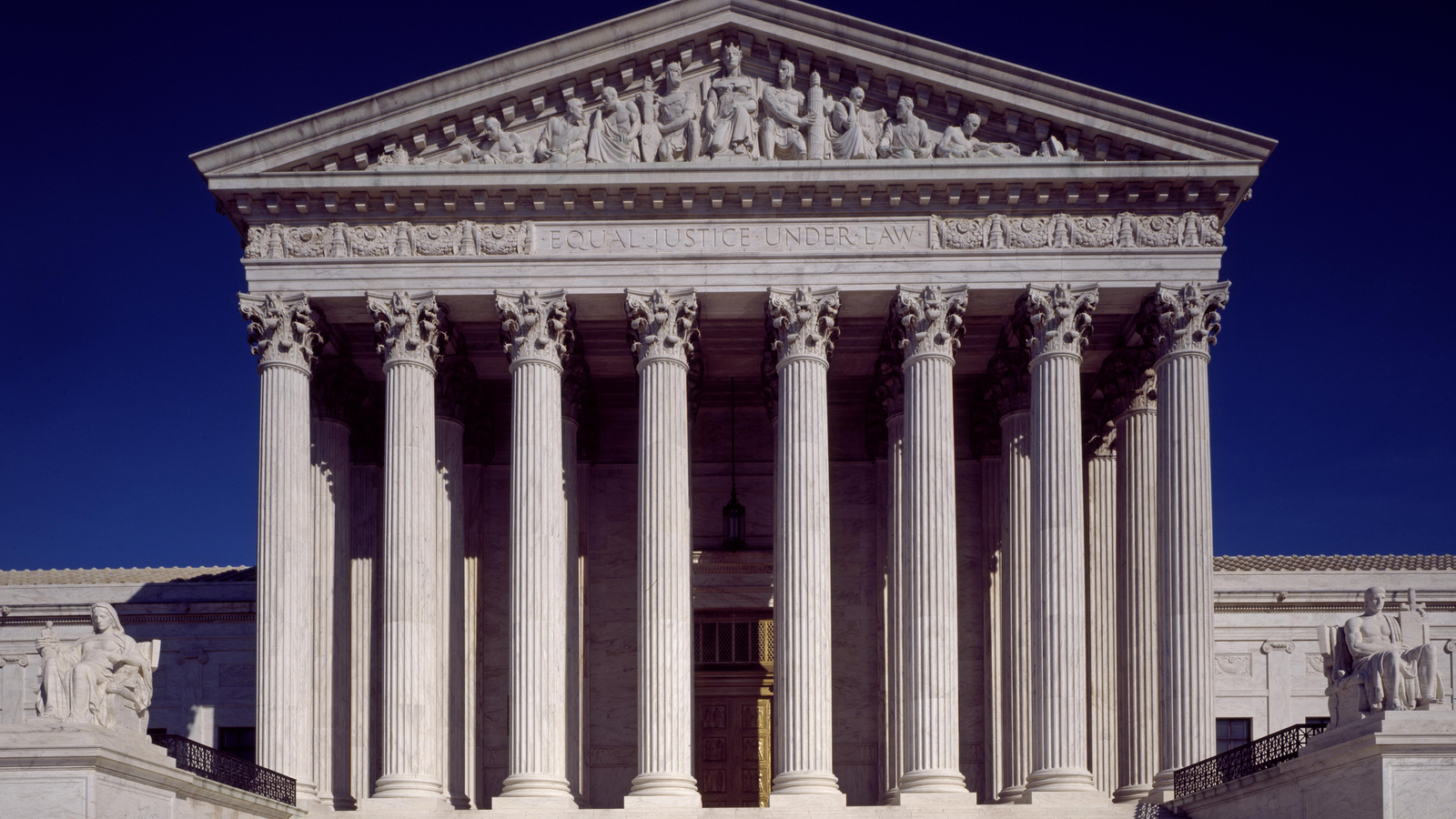
WASHINGTON — The U.S. Supreme Court will hear arguments Monday in two cases that could expand or limit lawsuits under the 1996 Helms-Burton Act, which lets U.S. nationals seek compensation for property confiscated by Cuba’s government. The cases involve Exxon Mobil’s claims against CIMEX and a dispute between Havana Docks and four cruise lines, with billions of dollars at stake.
Title III was suspended for decades until President Donald Trump lifted the suspension in 2019, triggering a wave of lawsuits and putting new pressure on companies doing business with Cuba, according to coverage of the cases and a Reuters report republished by KSGF.
Two cases, two legal questions
In Exxon Mobil v. Corporacion Cimex, Exxon seeks more than $1 billion for oil and gas assets seized in 1960 and asks the court to reject a lower-court ruling that allows Cuban state entities to assert foreign sovereign immunity defenses, Reuters reported.
Legal briefs frame the core issue as whether the Helms-Burton Act itself strips immunity for foreign state entities or whether plaintiffs must also satisfy the Foreign Sovereign Immunities Act, as outlined in a Transnational Litigation Blog preview of the arguments.
Cruise lines and Havana Docks
In the second case, Havana Docks says cruise lines used the Havana port terminal from 2016 to 2019 and should pay damages for trafficking in confiscated property; a federal judge awarded about $440 million before the 11th Circuit reversed, according to SCOTUSblog’s case summary and Reuters.
The cruise lines argue Havana Docks’ property interest was time-limited and expired before the voyages, while Havana Docks says Title III turns certified claims into ongoing rights regardless of that expiration, a dispute described in SCOTUSblog’s merits briefing and the Transnational Litigation Blog analysis.
Why the stakes are high
Cuba’s post-revolution nationalizations swept up U.S. refineries, factories and other assets now valued in the billions, and the cases test how powerful a remedy Congress intended Title III to be, according to Reuters and the KSGF republished report.
The justices have never interpreted Title III, and the rulings could shape how U.S. courts handle claims against both foreign state firms and private companies tied to confiscated property, as noted in Reuters coverage.
Arguments are scheduled Monday, and a decision later this term will determine whether a new wave of Helms-Burton lawsuits can move forward, according to SCOTUSblog’s argument preview.
How we report: We select the day’s most important stories, confirm facts across multiple reputable sources, and avoid anonymous sourcing. Our goal is clear, balanced coverage you can trust—because transparency and verification matter for informed readers.
Image Attribution ▾
Image: “Supreme Court Building, Washington, D.C.” by Carol M. Highsmith (Library of Congress), reproduction no. LC-DIG-highsm-13879. Source: https://www.loc.gov/item/2011632073/. License/Rights: No known restrictions on publication (Library of Congress Rights Advisory). Modifications: cropped to 16:9 and resized to 1920×1080.