
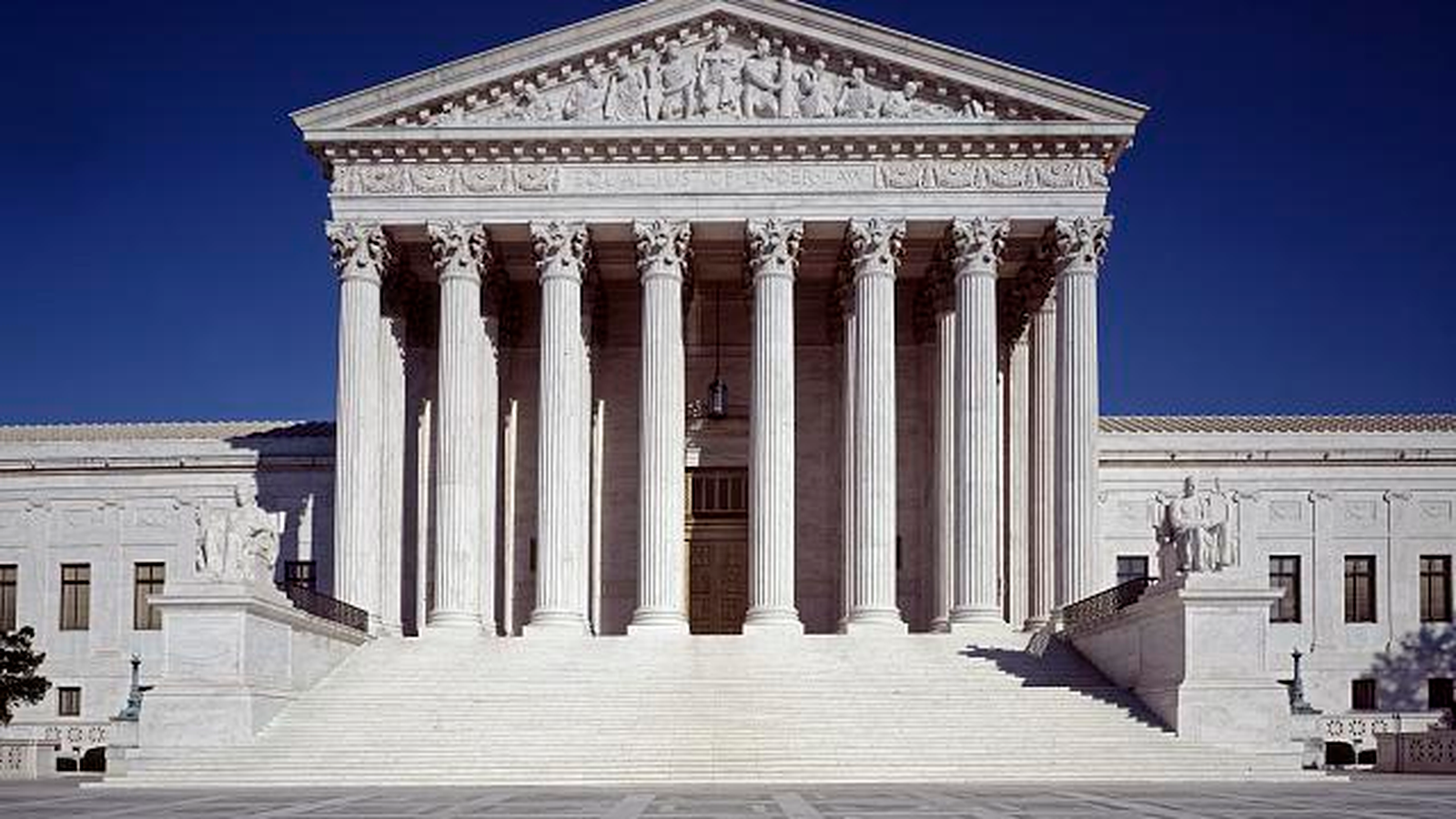
WASHINGTON — The Supreme Court on Wednesday allowed California to use its newly drawn congressional map for this year’s midterm elections, rejecting an emergency bid by state Republicans to block it. The ruling leaves in place lines designed to benefit Democrats and keeps the state on track for upcoming filing deadlines, according to reporting by NPR and CNN.
In a brief, unsigned order with no noted dissents, the justices declined to intervene, a move that follows the court’s recent decision to let Texas use a GOP-friendly map. Both SCOTUSblog and The Guardian said the court issued its order without publicly recorded dissents.
The map stems from Proposition 50, a voter-approved ballot measure that temporarily replaced California’s independent commission map with lines adopted by Democratic leaders. The initiative passed in November and was aimed at countering Texas’ mid-decade redistricting, as detailed by SCOTUSblog and NPR.
Redistricting arms race
California Republicans and the Trump administration argued the new districts were drawn with race as a predominant factor, a claim a three-judge federal panel rejected. The panel’s 2–1 decision is summarized by CNN, while SCOTUSblog notes the challengers sought relief before the state’s candidate filing window opens.
Supporters say the new lines could flip up to five Republican-held seats, a key reason Democrats pushed the map as a response to Texas’ earlier redraw. That potential seat shift is cited by CNBC and CNN.
The decision caps a legal fight sparked by a broader, tit-for-tat national redistricting battle as both parties jockey for House control in 2026. NPR and The Guardian describe the ruling as part of a wave of mid-cycle map changes in several states.
What comes next
The ruling means California election officials will proceed under the new lines as candidate filing begins next week, a deadline cited by CNN and SCOTUSblog.
The high court’s stance also underscores a long-standing principle: federal courts generally won’t police partisan gerrymandering claims, even as they can review racial gerrymandering allegations. That framework appears in both NPR and CNBC.
With California’s map now locked in, attention shifts to other states still litigating district lines and to the midterm battlefield that will decide the next House majority. The broader national stakes are outlined by The Guardian and NPR.