
Nigeria Senate backs real-time election result transmission after outcry
ABUJA — Nigeria’s Senate has reversed its earlier rejection of a proposal requiring real-time electronic transmission of election results, a move lawmakers said followed public outcry and pressure to curb fraud risks, Reuters reported.
The decision follows protests and warnings from labour unions and civil-society groups after senators initially voted down the mandate last week, a reversal that the Reuters account said would be discussed with the House of Representatives in a joint committee.
U-turn after pressure from unions and civil society
The earlier rejection centered on Clause 60 of the Electoral Act amendment bill, which would have required instant electronic transmission from polling units; Nigeria Info FM reported that senators instead kept language giving INEC discretion over how results are uploaded.
Reform advocates argued that discretionary uploads create opportunities for manipulation during manual collation, a concern cited by Reuters in describing why the backlash intensified after the initial vote.
What the amended clause now requires
In the revised version, presiding officers must transmit polling-unit results to INEC’s Result Viewing Portal (IReV) immediately after forms are signed and stamped, according to TELL Magazine.
TELL also said the Senate added a network-failure safeguard: when connectivity fails, the signed paper form becomes the authoritative record for collation while the upload is attempted later.
Next steps before the 2027 vote
Nigeria’s next general election is due in February 2027, when President Bola Tinubu will seek a second and final term. Lawmakers said the bill now goes to a joint committee with the House before being sent to the president for assent, Reuters reported.
Civil-society groups have welcomed the reversal but say implementation details — including clear definitions of “real-time” transmission and enforcement penalties — will be critical ahead of 2027, according to TELL Magazine.
How we report: We select the day’s most important stories, confirm facts across multiple reputable sources, and avoid anonymous sourcing. Our goal is clear, balanced coverage you can trust—because transparency and verification matter for informed readers.
Image Attribution ▾
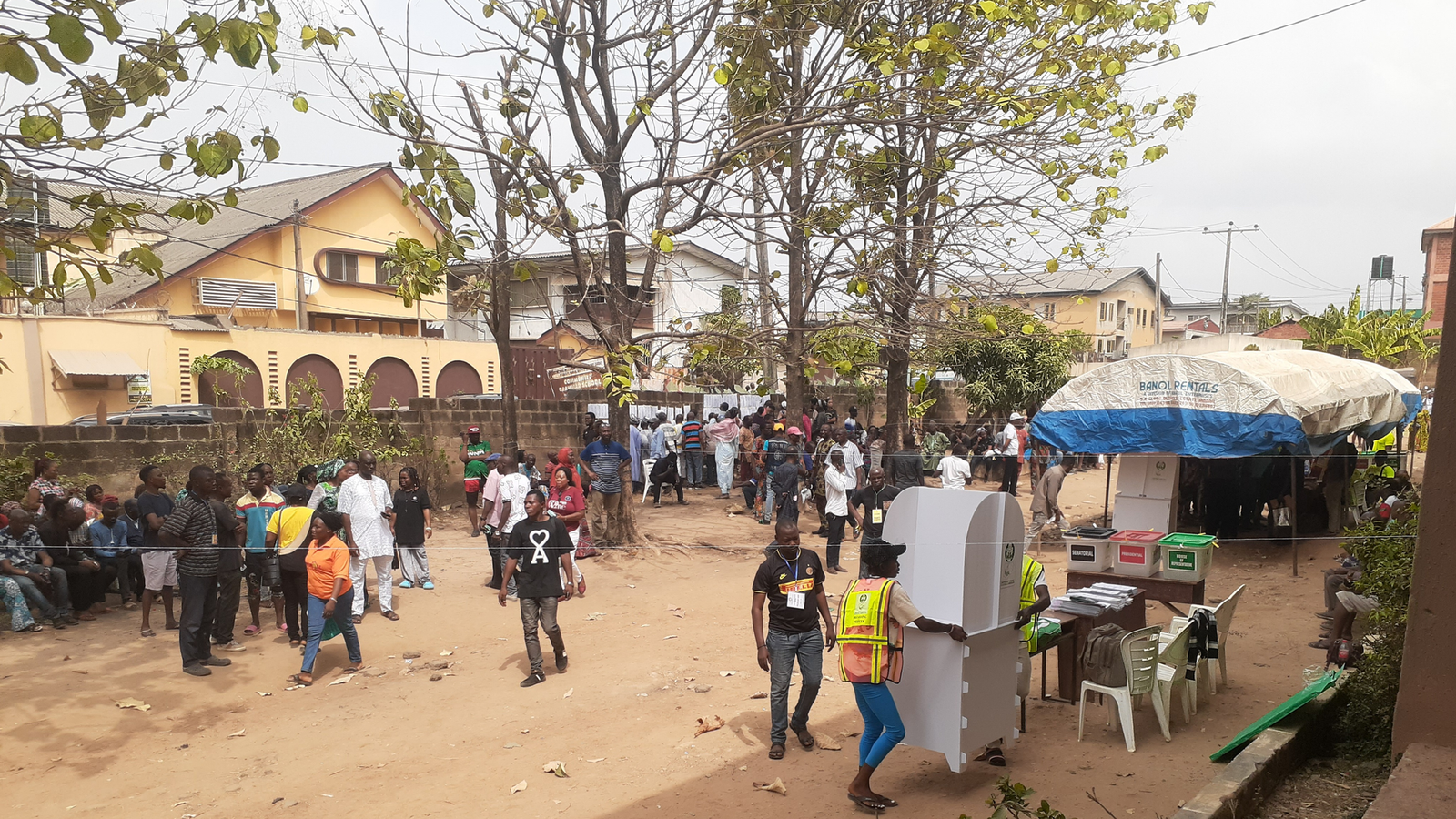
Image: Area shot of polling units by Ibukun Emiola, CC BY-SA 4.0. Source: Wikimedia Commons. License: CC BY-SA 4.0. Modifications: cropped to 16:9 and resized to 1920×1080.